1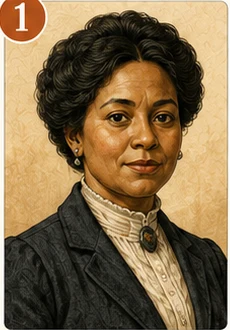
Texas • 1910s–1960s
Christia Adair
I went door to door for women’s suffrage in Texas and saw how race and sex were used to silence people. I would argue voting rights must be expanded and protected for all citizens.
Texas • 1910s–1960s
I went door to door for women’s suffrage in Texas and saw how race and sex were used to silence people. I would argue voting rights must be expanded and protected for all citizens.
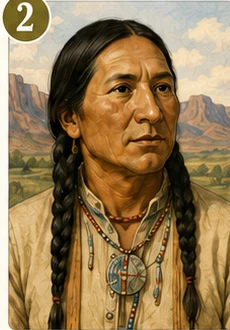
Utah • 1950s
As a Native man on the Uintah and Ouray Reservation, I live under laws that affect my community. I would argue Native people should have full voting rights and a real voice in government.
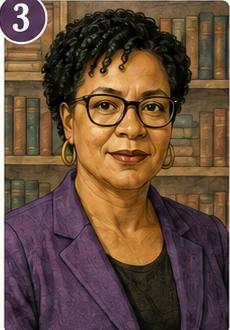
Georgia • modern elections
As a college professor in Atlanta, I teach that democracy works best when participation is broad. I would support voting access for all eligible adults and oppose barriers that silence marginalized communities.
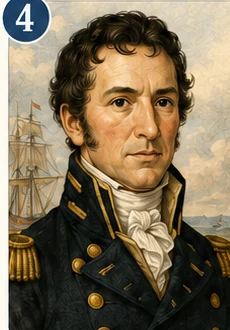
Early United States
Born to Irish immigrant parents in New York City, I fought in the War of 1812 and believe service should count for something. I would argue immigrants who build and defend this country deserve a political voice.
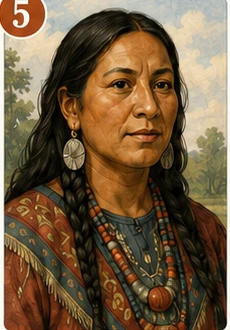
Native rights • 20th century
As a Cherokee poet, educator, and activist, I know Native voices have often been excluded while policies are made about our lives. I would insist that Indigenous people deserve full citizenship and voting power.
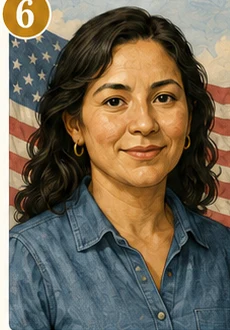
Arizona • 2016
I was born in Guatemala but became a naturalized U.S. citizen. I would argue that once someone joins this nation as a citizen, that person’s right to vote should be honored and respected.
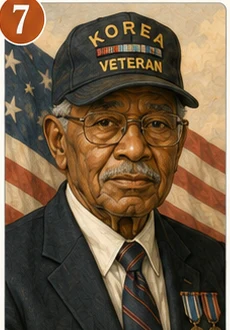
Texas • modern voter ID era
As an African American Korean War veteran in my 80s, I have served my country and watched it change slowly. I believe those who have long faced exclusion still deserve equal, easy access to the ballot.
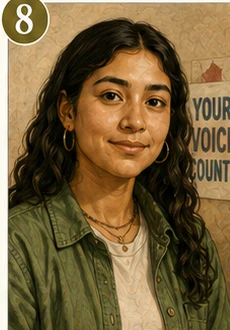
California • youth voting
I learned about pre-registration through Model United Nations and see voting as a habit of civic responsibility. I believe young people should be welcomed early into democratic participation.
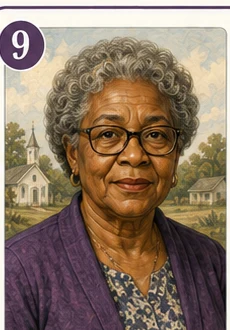
Rural Georgia • modern elections
As a 71-year-old Black woman in rural Georgia, I know distance, paperwork, and local power can all become barriers. I would argue voting should be accessible, not a test of endurance.
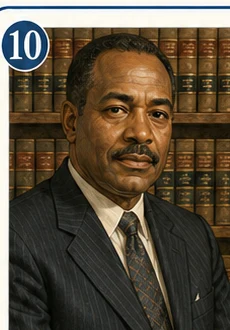
Reconstruction era
As a Black lawyer, I understand how law can both protect rights and deny them. I would argue the franchise should be defended by strong laws and equal enforcement.
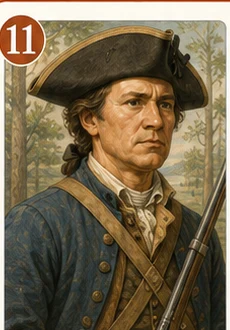
Colonial America
As a militia member called to fight in King George’s War, I risk my safety for the colony. I would argue that those expected to serve and sacrifice deserve representation in the government.
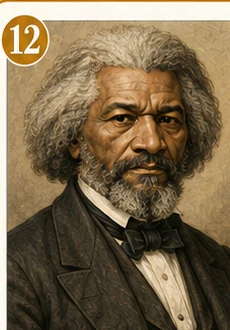
Abolition & Reconstruction
Having escaped slavery and fought for freedom, I believe voting is a basic tool of citizenship and dignity. I would argue no democracy is just when Black people are denied the ballot.
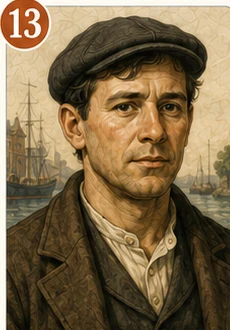
Massachusetts • 1850s
I fled the Great Famine in Ireland and built a life in Massachusetts. I would argue that immigrants who live, work, and contribute to their communities deserve a say in public decisions.
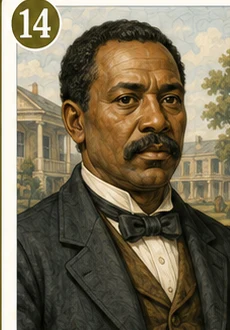
Louisiana • Reconstruction
As a Black Union veteran and leader in Reconstruction Louisiana, I know freedom without political power is fragile. I would insist Black citizens must be able to vote and hold office.
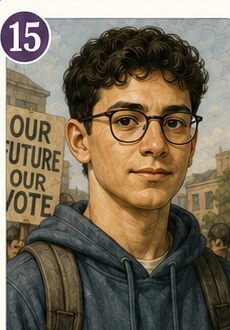
New Jersey • 1969–1971
I helped start the Voting Age Coalition of New Jersey because I believe young people are affected by public policy. I would argue younger citizens deserve a voice in elections.
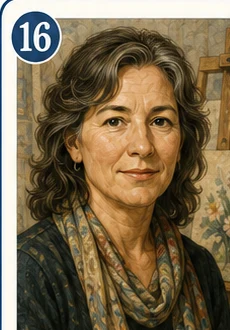
New Jersey • 1776–1807
As a white middle-aged artist and poet in New Jersey, I value free expression and civic voice. I would support broad voting rights because democracy grows stronger when more people are heard.
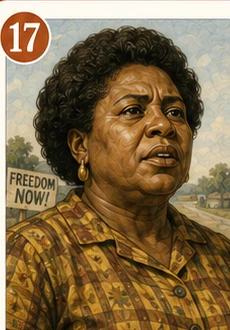
Mississippi • 1960s
As a sharecropper who fought to register Black voters, I know the cost of exclusion and intimidation. I would argue the right to vote must be protected, enforced, and made real in everyday life.
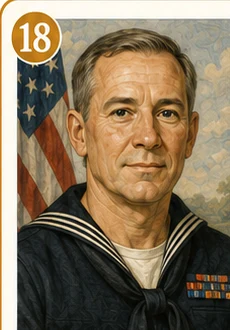
Ohio • modern voter rolls
As a white Navy veteran in Ohio, I believe service, citizenship, and community responsibility go together. I support fair voting access because democracy depends on participation.
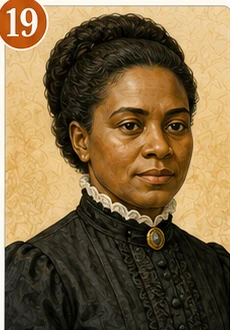
19th-century reform movements
As a Black woman born free in Maryland and active in abolition and women’s rights, I know freedom must include political voice. I would argue race and sex should never bar a person from voting.
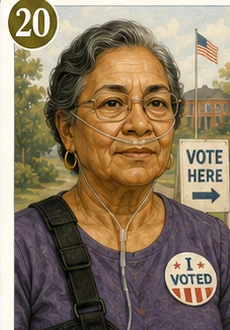
Wisconsin • 2016
Even with chronic lung disease and a torn knee ligament, I made my way to vote in 2016. I would argue that if voting matters this much, the system should make access easier, not harder.
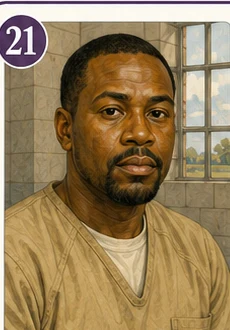
Maine • 2008
I cast a ballot from prison in the Obama election and saw how meaningful civic participation can be. I would argue society should rethink blanket disenfranchisement of incarcerated people.
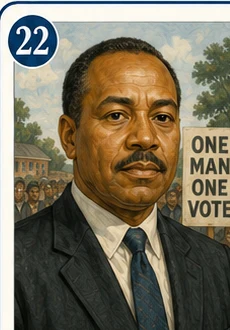
Lowndes County, Alabama • 1960s
Working with the Lowndes County Christian Movement for Human Rights, I saw how organizing can turn fear into power. I would insist Black citizens deserve equal access to registration and the ballot.
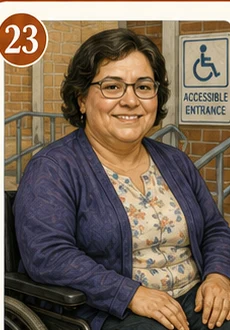
New York • modern elections
Because I use a wheelchair after childhood polio, I know access is not automatic. I would argue polling places and voting systems must be fully accessible for disabled voters.
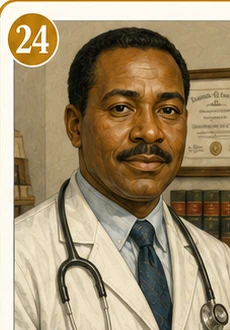
Texas • 1924–1944
As a Black doctor in Texas, I value both citizenship and public duty. I would argue educated, engaged Black professionals and working people alike deserve full and equal voting rights.
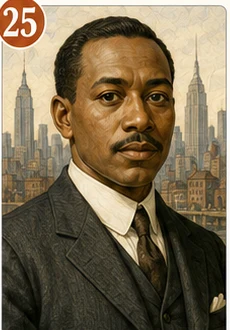
New York • 1821
Coming from a free middle-class Black family in New York City, I know status does not erase racial exclusion. I would argue Black citizens deserve the same political rights as anyone else.
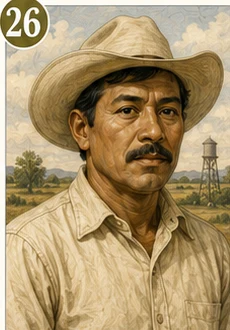
Texas • 1970s
As a Mexican American from Pearsall, Texas, I know community voice matters in local and national life. I would argue Mexican American citizens should never face barriers or suspicion when voting.
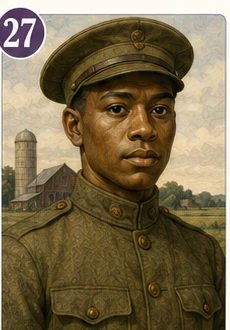
Mississippi • 1955
As a farmer and World War I veteran killed for helping Black voters register, my life shows how fiercely some resisted equality. I would argue the right to vote is worth defending against violence and intimidation.
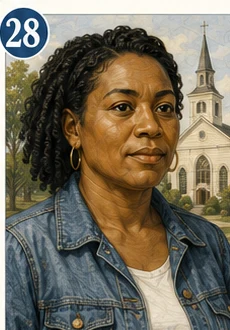
South Carolina • 2018
I headed to my regular church polling site in Charleston in 2018 expecting to vote as usual. I would argue elections should be reliable and straightforward, without confusion or unnecessary obstacles.
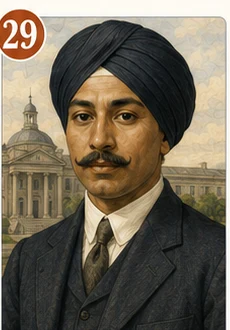
United States • 1910s–1920s
Born in India and educated in the United States, I challenged laws that questioned who could belong here. I would argue citizenship and voting should not be limited by race.
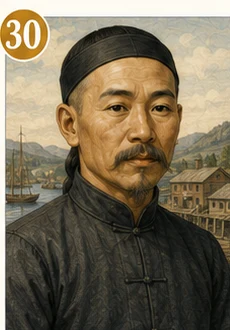
Oregon • 1850s
I came from China to Oregon in the 1850s, when anti-Chinese prejudice shaped law and daily life. I would argue that denying political voice based on race or origin is unjust.