Broken Treaties and the Meaning of Sovereignty
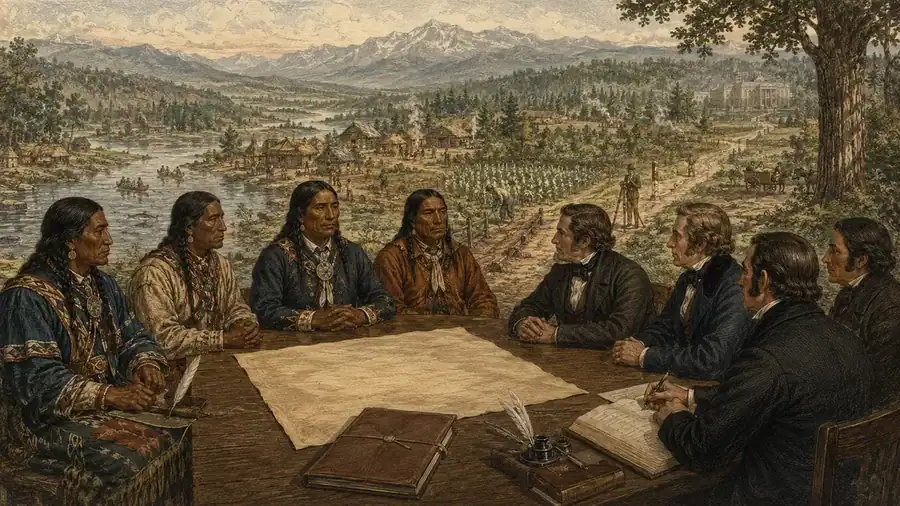
Treaties helped create the modern United States, but they also recognized Native Nations as governments with land, authority, and retained rights. This article explains how
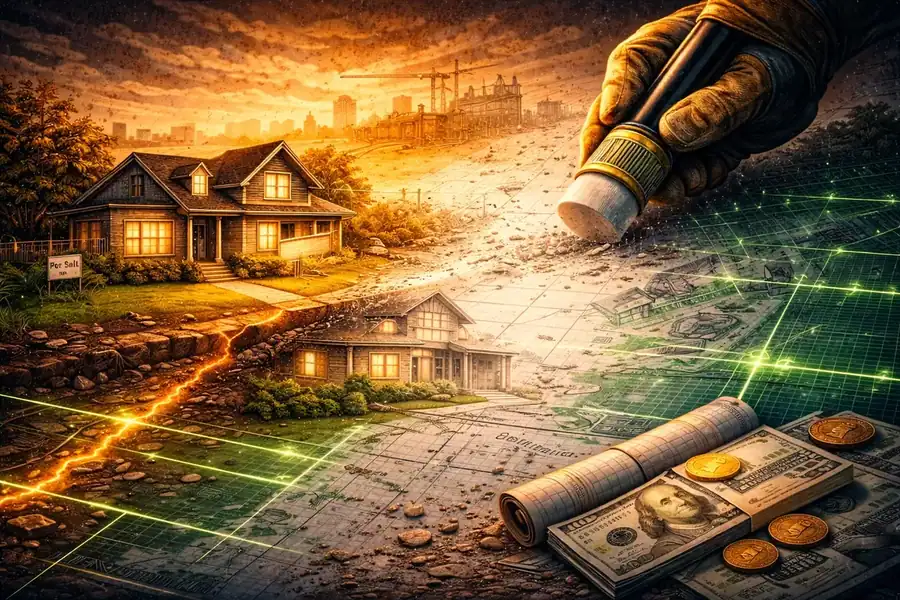
How space, property, zoning, and land use reflect policy decisions and unequal access.
All topics
Treaties helped create the modern United States, but they also recognized Native Nations as governments with land, authority, and retained rights. This article explains how

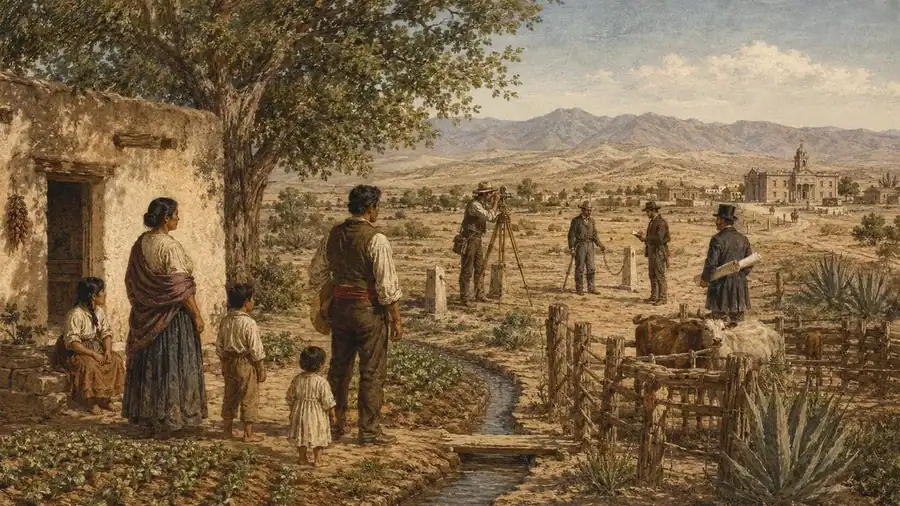
The Treaty of Guadalupe Hidalgo did more than redraw a border. It changed the citizenship, property rights, and legal world of Mexican communities across the Southwest—and exposed the distance between a written promise and its enforcement.

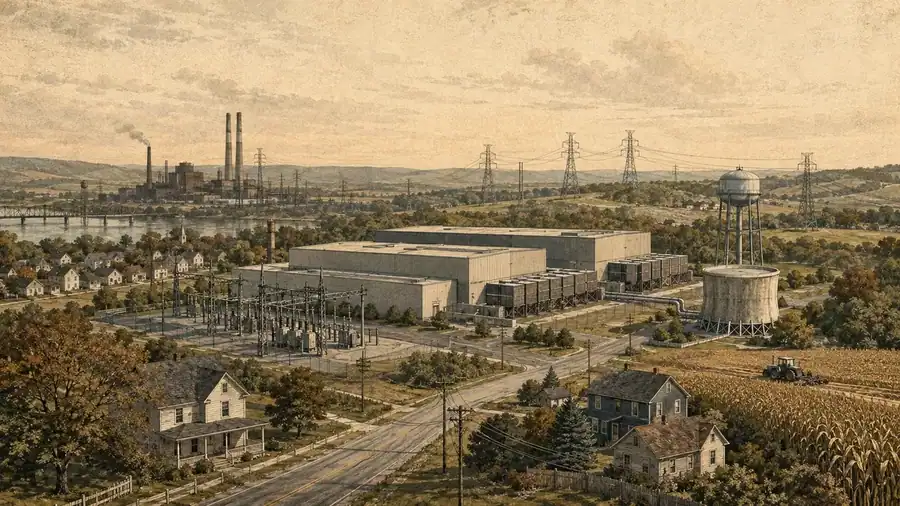
AI may feel weightless, but it belongs to a long history of American technologies whose physical costs were hidden behind promises of progress. From electrification to highways to data centers, this article explains how digital tools depend on land, water, electricity, public subsidy, and community decisions.

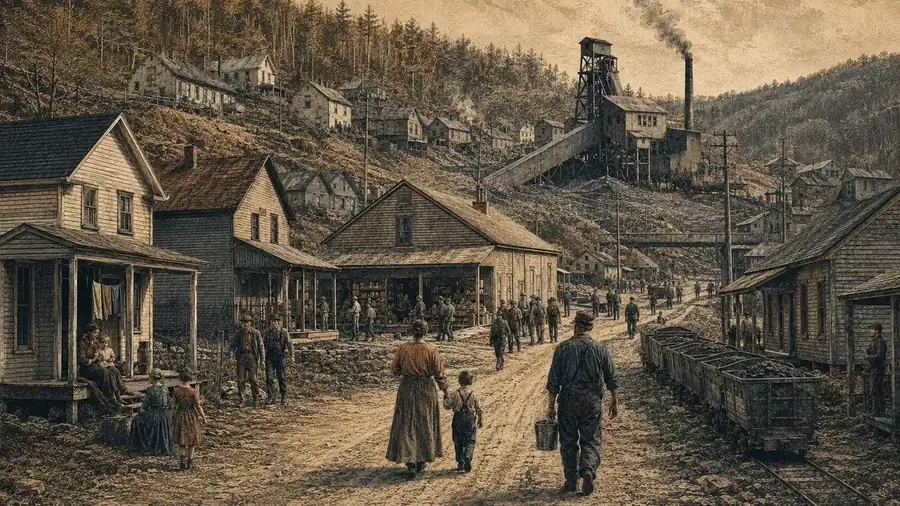
Company towns made work into an entire system of dependence. In many coal, lumber, mill, and industrial communities, employers controlled not only wages but housing, stores, credit, and local power. This article explains how that system worked, who it affected, and why its echoes still matter.
Examples of community restoration efforts that have measurably improved stability, wealth retention, and long-term outcomes in historically harmed neighborhoods.

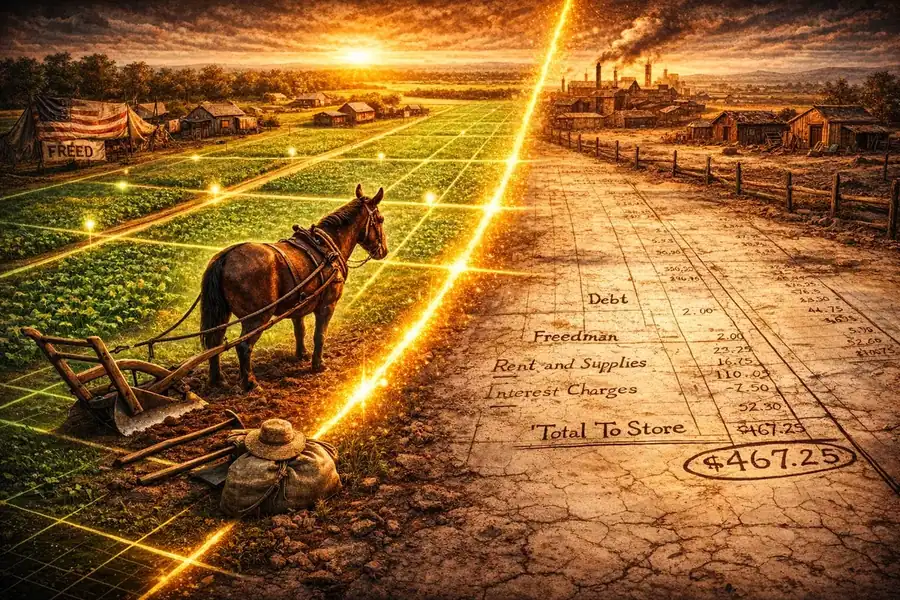
An economic explanation of what “40 acres and a mule” would have meant—and how land access could have reshaped wealth after emancipation.

An explanation of how redlining shaped housing, wealth, infrastructure, and opportunity—and why modern cities still reflect those designs.

An explanation of how the Homestead Act helped build wealth for millions while Black families were largely excluded—shaping land ownership and inequality across generations.

A look at how eminent domain has removed working-class and marginalized communities in the name of progress—and how land loss reshaped wealth, trust, and opportunity.

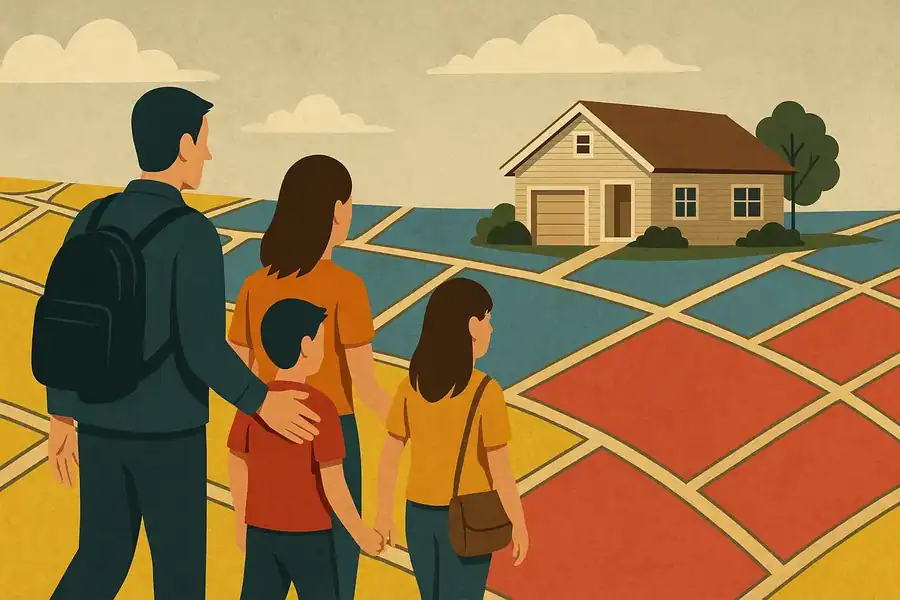
In the mid-20th century, cities across America saw a dramatic shift. White families packed up, left their urban neighborhoods, and moved to newly built suburbs. This movement — called white flight — wasn’t just a personal choice. It was fueled by fear, profit, and public policy, and it reshaped the American landscape in ways we still feel today.

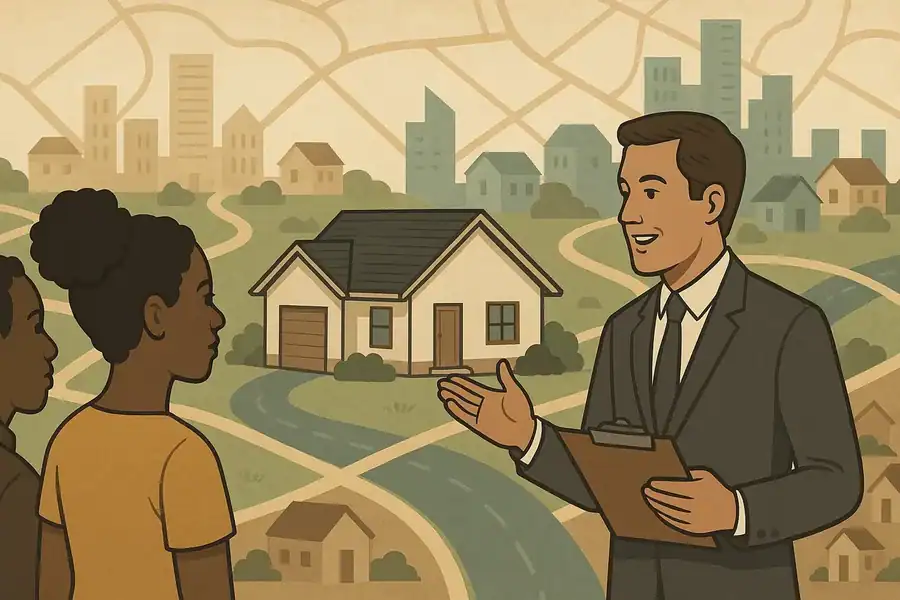
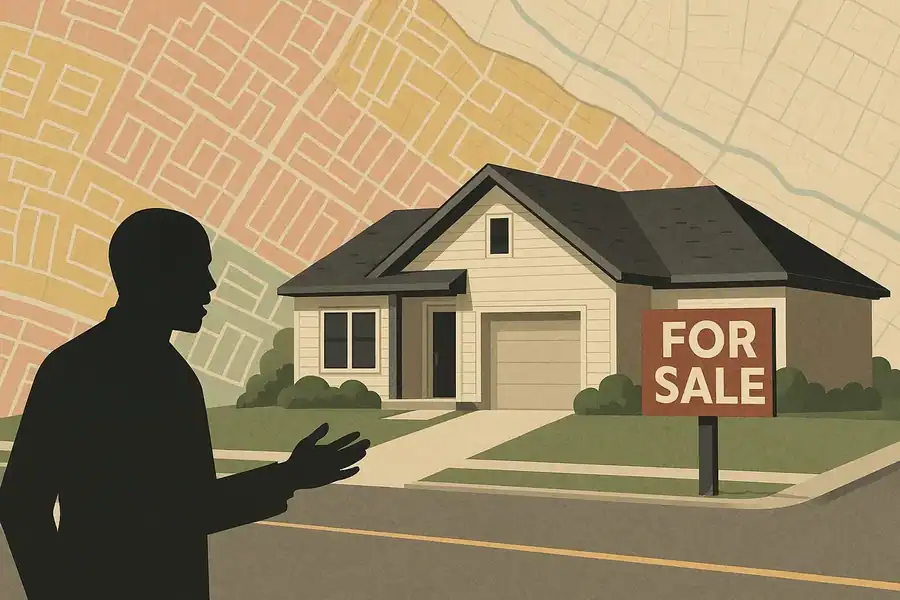
“In the 1980s, a family in Iowa made an offer on a home. Years later, they learned their realtor had secretly raised their bid — not to help them, but to make sure a Black family wouldn’t get the property. They still live in that house, carrying the weight of what happened.” The Fair Housing Act had been law for over a decade. Redlining was officially banned. But the story shows us something important: discrimination didn’t end when the maps disappeared. It adapted.

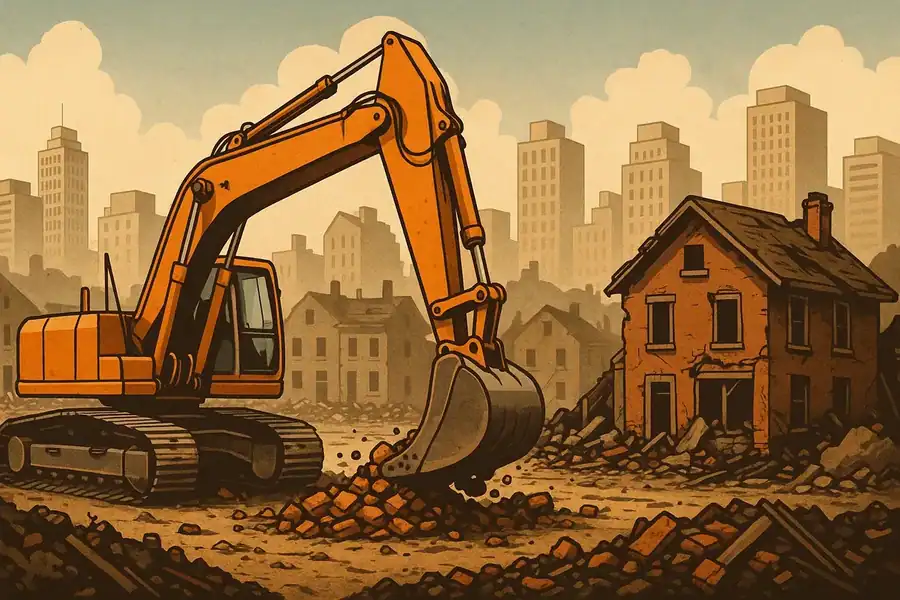
In the mid-20th century, American cities promised “progress.” Leaders called it urban renewal — a way to modernize neighborhoods, clear “blight,” and build new infrastructure. But for many communities, especially Black neighborhoods, renewal meant something else: removal. Homes were bulldozed, businesses destroyed, and entire cultural districts erased in the name of development.

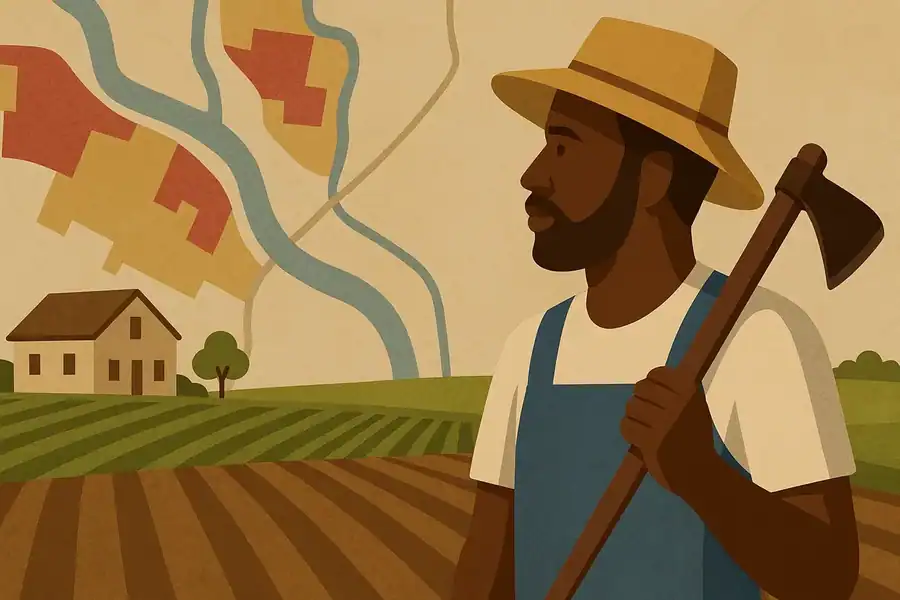
For generations, owning land meant freedom. For formerly enslaved people, farmland represented independence, stability, and the chance to pass something on to their children. But just as African Americans fought for fair housing in cities, they also faced barriers, exploitation, and discrimination in farming. This is the story of land as opportunity — and how much was lost when that opportunity was denied.

Imagine a knock at your door. A real estate agent warns you: “Black families are moving in. If you don’t sell now, your property value will plummet.” This wasn’t just rumor. It was a calculated business practice called blockbusting — and it turned fear into profit while reshaping America’s cities.

Look closely at almost any American city, and you’ll notice something: a set of railroad tracks, a highway, or a river dividing one neighborhood from another. On one side, tree-lined streets and investment. On the other, underfunded schools, fewer businesses, and neglected infrastructure. Those dividing lines weren’t accidents. They were choices — choices that reinforced segregation and shaped opportunity.

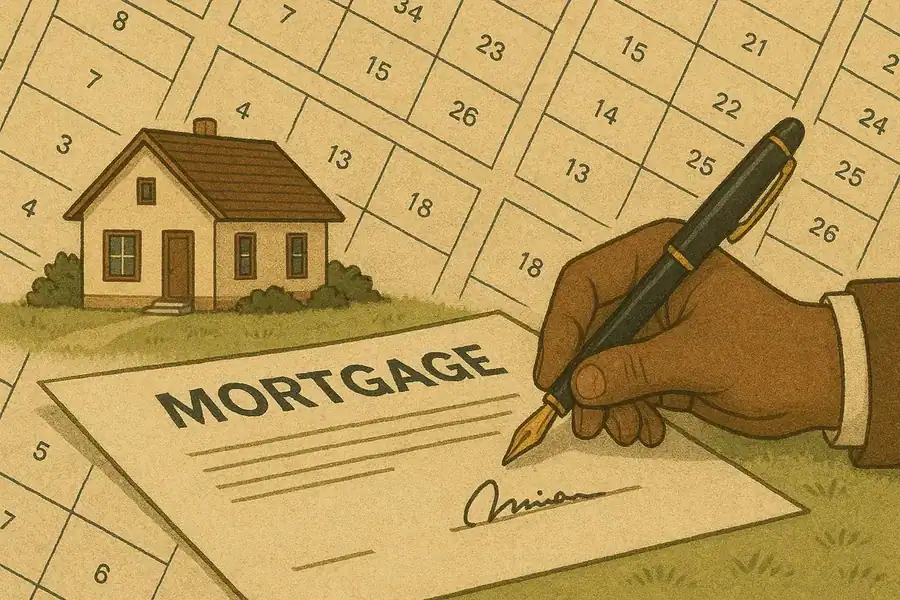
What if your ability to buy a house wasn’t decided by your savings, your credit, or your hard work — but by a single line written into the deed? For much of the 20th century, that’s exactly what happened. They were called restrictive covenants, and they turned property law into a tool of segregation.

Imagine if the neighborhood you lived in determined whether you could buy a home, get a loan, or even build wealth for your children — not because of what you did, but because of the color of your skin. This isn’t just a “what if” story. It’s the reality millions of Americans lived through, and its ripple effects are still with us today.