Every Chapter Counts
Topic · 51 stories

Identity & Belonging

How race, ethnicity, gender, culture, and identity shape inclusion, exclusion, and social belonging.

All topics
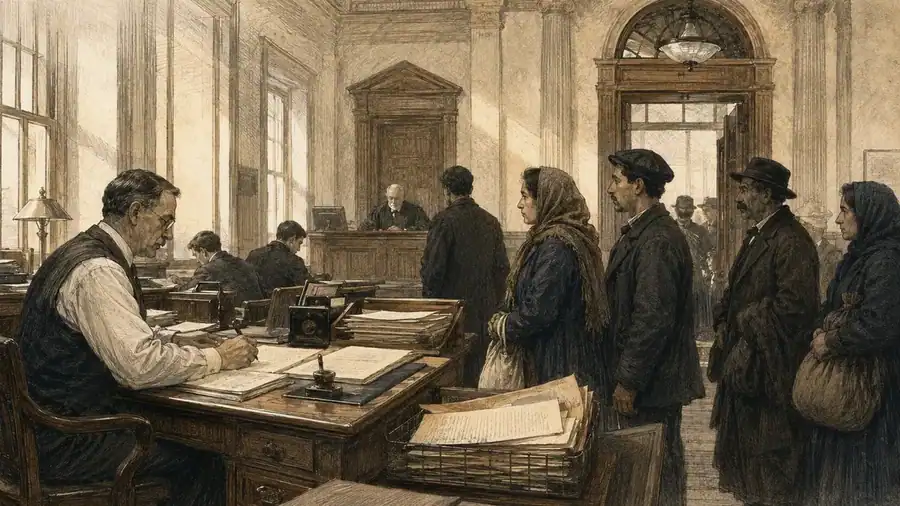
Archival-style illustration of a federal naturalization office with immigrants waiting, clerks, ledgers, and legal paperwork, suggesting how citizenship and belonging were shaped through law.
Immigration, Citizenship & Belonging

Naturalization and the Law of Whiteness

For much of U.S. history, naturalized citizenship was tied to race. This article explains how the law made whiteness a gatekeeping category for citizenship, how courts decided who counted as white, and why naturalization shaped belonging far beyond paperwork.

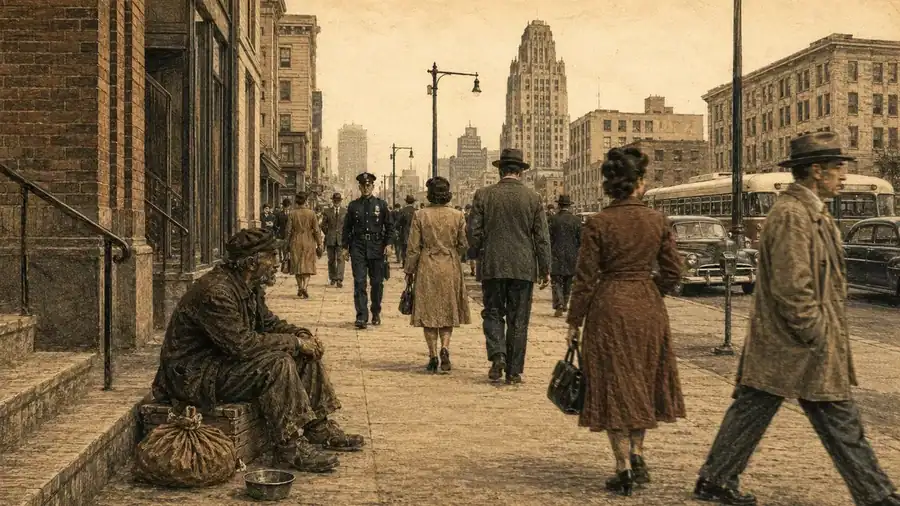
Archival-style illustration of a late 19th-century city sidewalk where a visibly disabled or poor person sits near public foot traffic while a police officer stands nearby, suggesting how law shaped who could occupy public space.
Disability, Eugenics & Institutionalization

Ugly Laws and the Policing of Public Space

Ugly laws used local ordinances to push visibly disabled, poor, disfigured, or begging people out of public view. This article explains how those laws worked, who they affected, and why the right to be seen in public remains central to disability history.

Illustrative artwork for Why Teaching Hard History Matters for Community Health
African American History & Civil Rights

Why Teaching Hard History Matters for Community Health

Teaching hard history is often framed as a curriculum dispute, but it also shapes community health. This article explains how truthful historical education affects trust, stress, social cohesion, and institutional legitimacy—and why avoiding difficult history can carry long-term community costs.

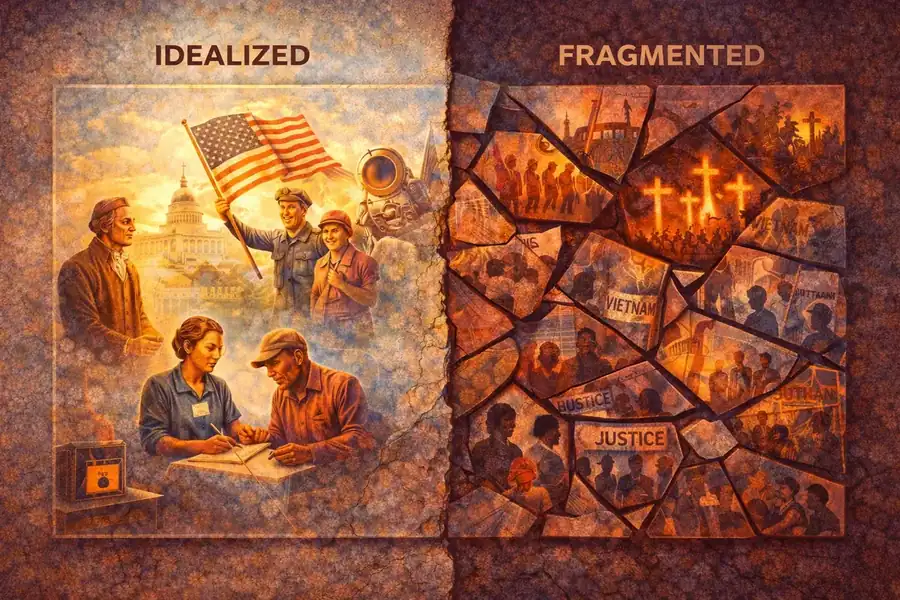
Illustrative artwork for The Science of Collective Trauma and Recovery
African American History & Civil Rights

The Science of Collective Trauma and Recovery

Collective trauma is not merely an individual response to adversity. It is a social and psychological process that affects communities across generations. This article outlines how science explains the embedding of trauma and the pathways toward collective recovery.

Illustrative artwork for What Historical Silence Costs Communities
African American History & Civil Rights

What Historical Silence Costs Communities

Historical silence has shaped how communities are remembered, understood, and treated in the United States. This article examines how silence is produced through archives, education, and institutions—and what that silence continues to cost communities today.

Illustrative artwork for Interruption Strategies: How to Break the Cycle of Stereotyping
African American History & Civil Rights

Interruption Strategies: How to Break the Cycle of Stereotyping

Stereotypes endure when systems keep reproducing the outcomes that make them feel true. This article traces how stereotyping moved from social myth into law, institutions, and media—and why “breaking the cycle” has historically depended on changing incentives, authority, and the conditions that manufacture unequal results.