Every Chapter Counts
Topic · 49 stories

Law & Courts

How legal decisions, doctrines, and court systems shape power, rights, and everyday outcomes.

All topics
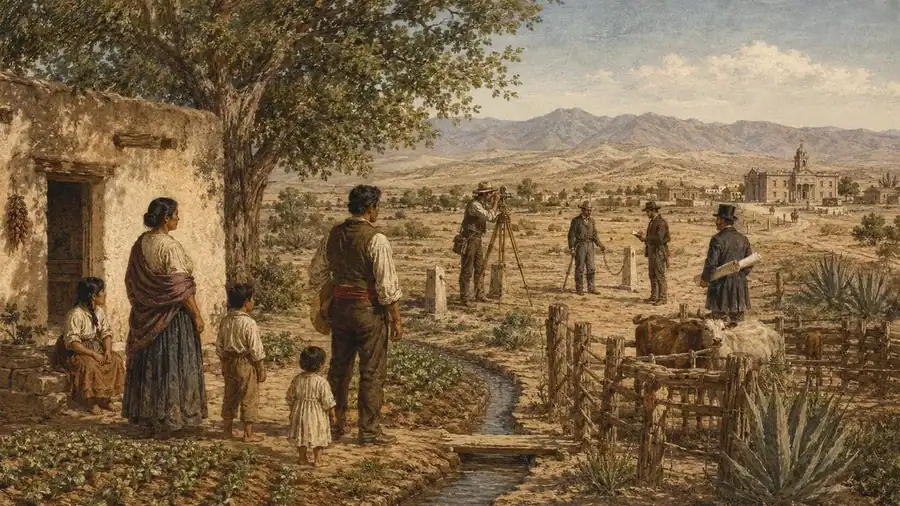
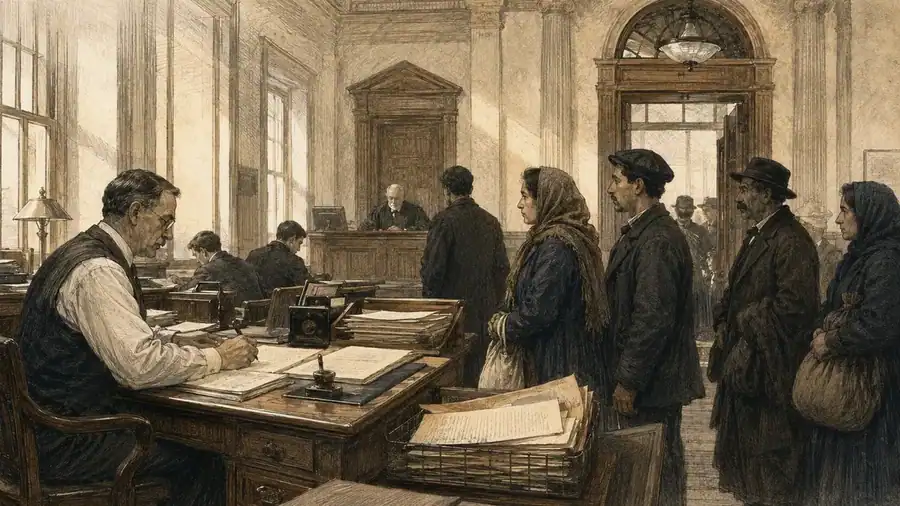
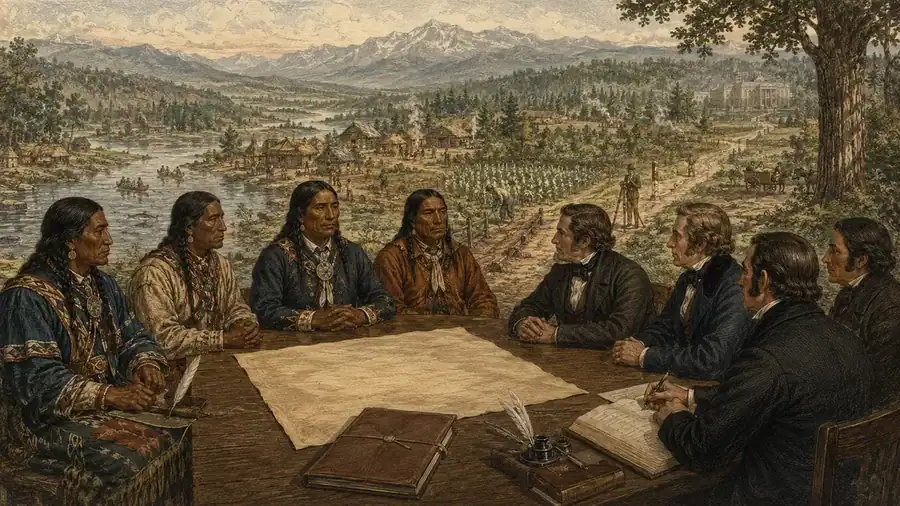
Archival-style illustration of a federal naturalization office with immigrants waiting, clerks, ledgers, and legal paperwork, suggesting how citizenship and belonging were shaped through law.
Immigration, Citizenship & Belonging

Naturalization and the Law of Whiteness

For much of U.S. history, naturalized citizenship was tied to race. This article explains how the law made whiteness a gatekeeping category for citizenship, how courts decided who counted as white, and why naturalization shaped belonging far beyond paperwork.
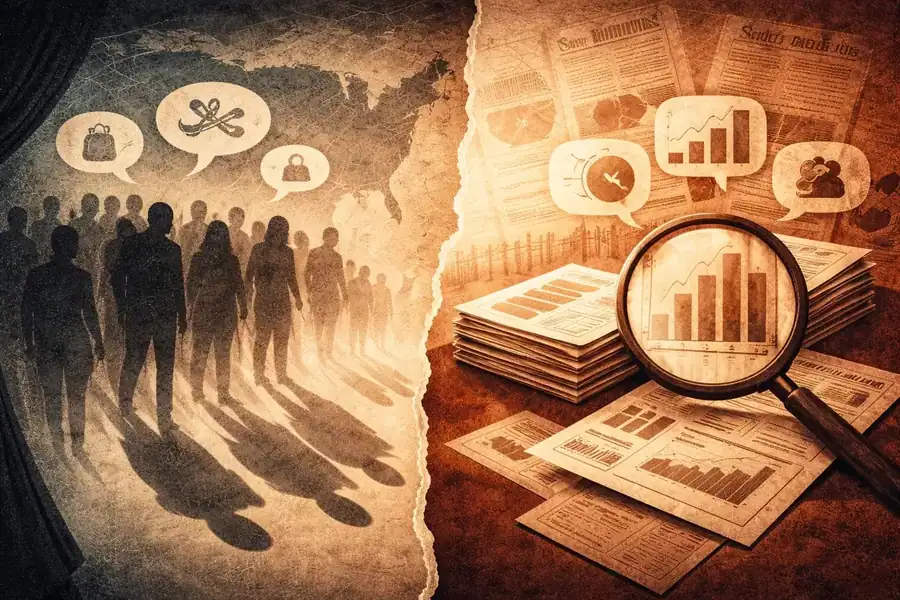
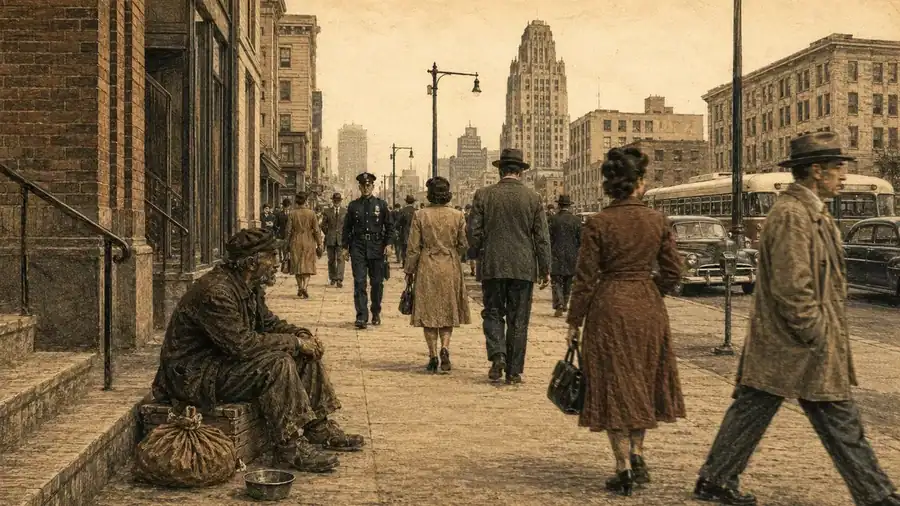
Archival-style illustration of a late 19th-century city sidewalk where a visibly disabled or poor person sits near public foot traffic while a police officer stands nearby, suggesting how law shaped who could occupy public space.
Disability, Eugenics & Institutionalization

Ugly Laws and the Policing of Public Space

Ugly laws used local ordinances to push visibly disabled, poor, disfigured, or begging people out of public view. This article explains how those laws worked, who they affected, and why the right to be seen in public remains central to disability history.
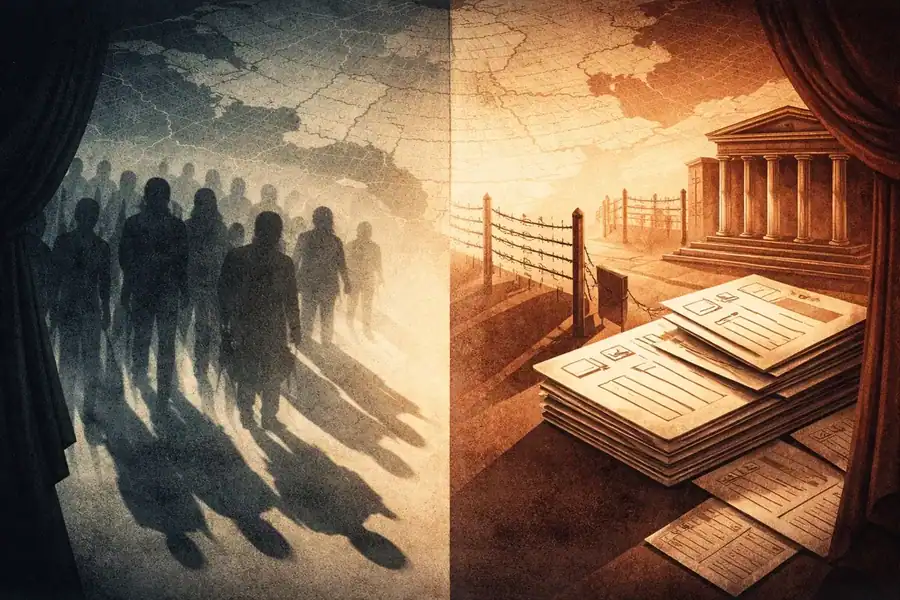
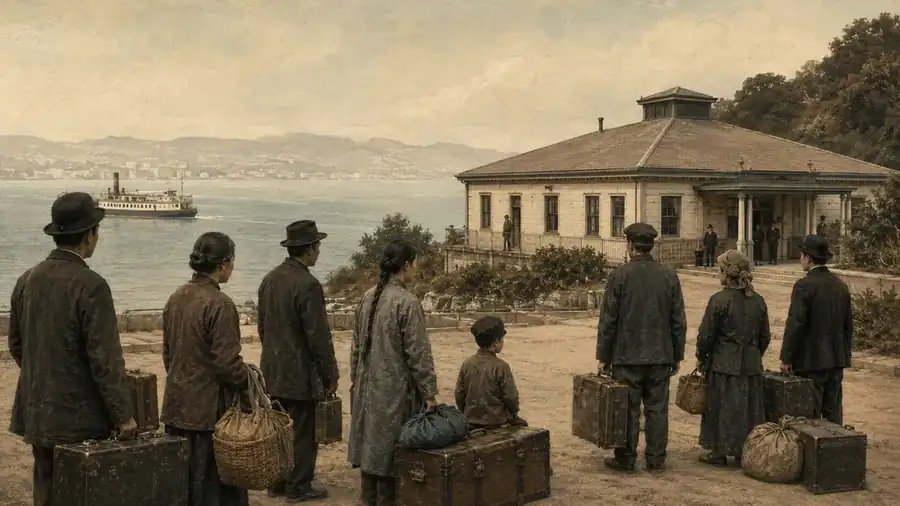
Archival-style illustration of Angel Island Immigration Station in San Francisco Bay, with immigrants waiting near the water and a federal station building suggesting detention, interrogation, and arrival through the West Coast.
Asian American, Pacific Islander & Refugee Histories

Angel Island and the Other Gate to America

Angel Island was the other gate to America: a West Coast immigration station where many Asian immigrants encountered detention, interrogation, and exclusion rather than welcome. Its history shows how race, law, paperwork, family identity, and geography shaped who could enter the United States.
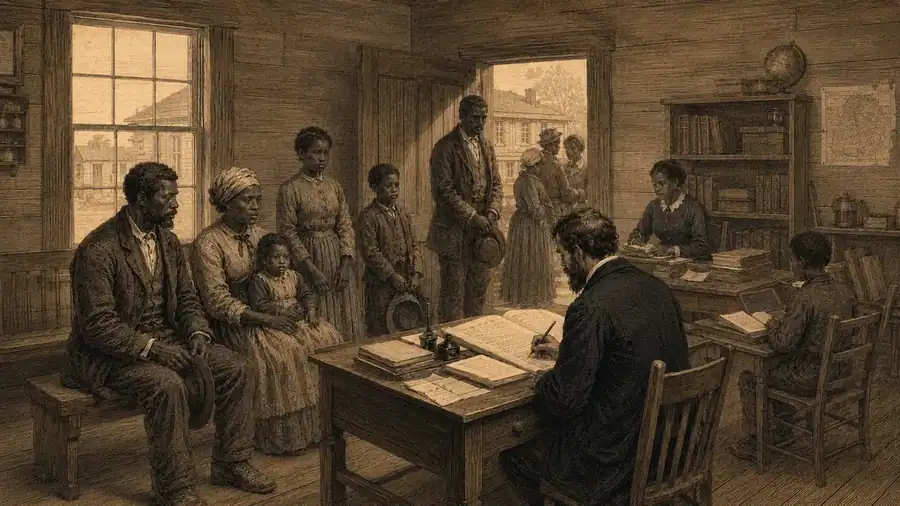
Archival-style illustration of formerly enslaved families and federal records during Reconstruction, suggesting education, labor contracts, and the search for stability after emancipation.
African American History & Civil Rights

The Freedom Bureau That Tried to Rebuild America

After the Civil War, the Freedmen’s Bureau became one of the federal government’s first major attempts to help formerly enslaved people build lives as free citizens. Its work touched education, labor, family reunification, legal recognition, land, and survival—while revealing how difficult freedom becomes when protection is temporary and opposition is powerful.
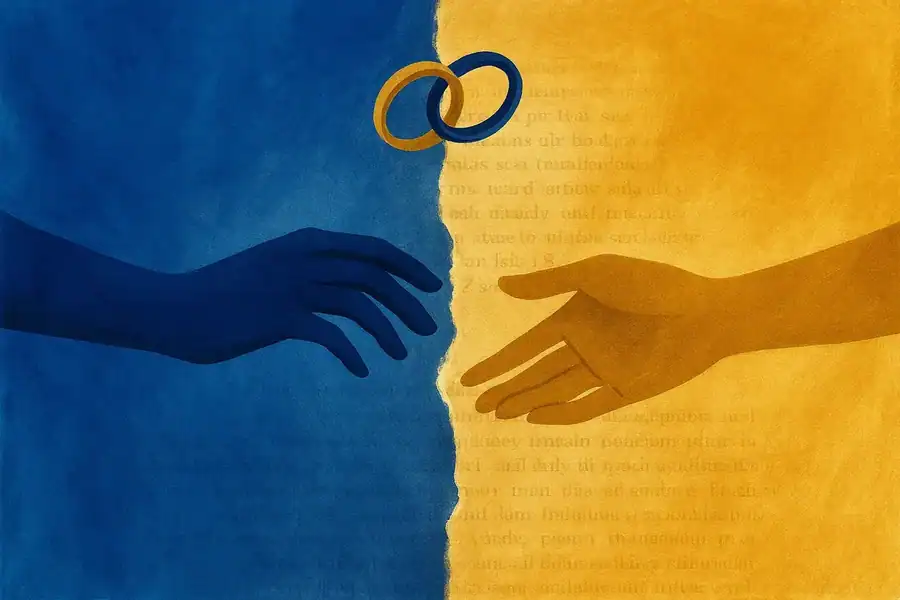
Illustrative artwork for What Historical Silence Costs Communities
African American History & Civil Rights

What Historical Silence Costs Communities

Historical silence has shaped how communities are remembered, understood, and treated in the United States. This article examines how silence is produced through archives, education, and institutions—and what that silence continues to cost communities today.
Illustrative artwork for How Fear Has Been Used Politically Across U.S. History
African American History & Civil Rights

How Fear Has Been Used Politically Across U.S. History

Fear has repeatedly been used in U.S. history to justify restrictive laws, expanded enforcement, and unequal treatment. This article examines how fear operates as a political mechanism—how it is cultivated, enforced, and normalized—and why it continues to shape policy decisions across eras.

Illustrative artwork for Interruption Strategies: How to Break the Cycle of Stereotyping
African American History & Civil Rights

Interruption Strategies: How to Break the Cycle of Stereotyping

Stereotypes endure when systems keep reproducing the outcomes that make them feel true. This article traces how stereotyping moved from social myth into law, institutions, and media—and why “breaking the cycle” has historically depended on changing incentives, authority, and the conditions that manufacture unequal results.

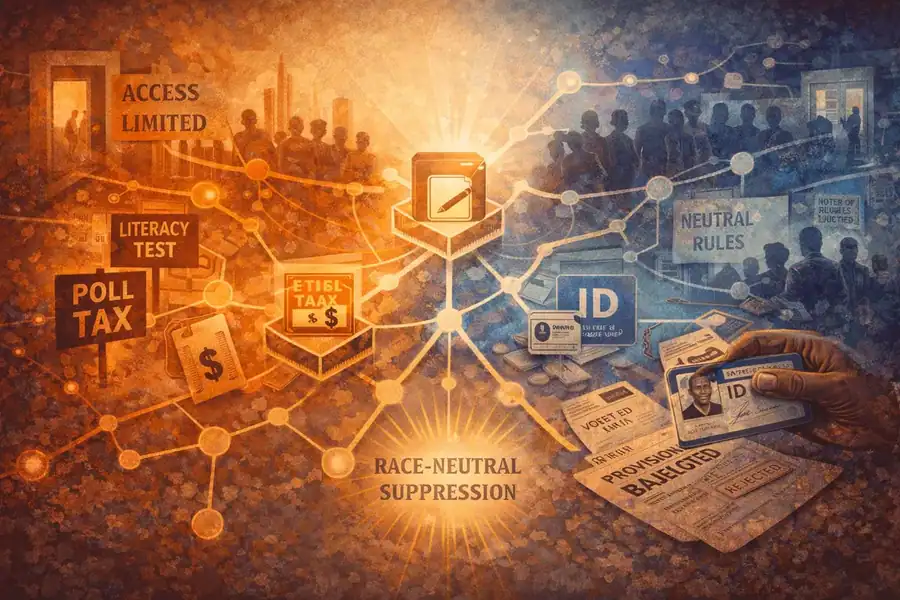
Illustrative artwork for Modern Voter Suppression: New Barriers, Old Tactics
African American History & Civil Rights

Modern Voter Suppression: New Barriers, Old Tactics

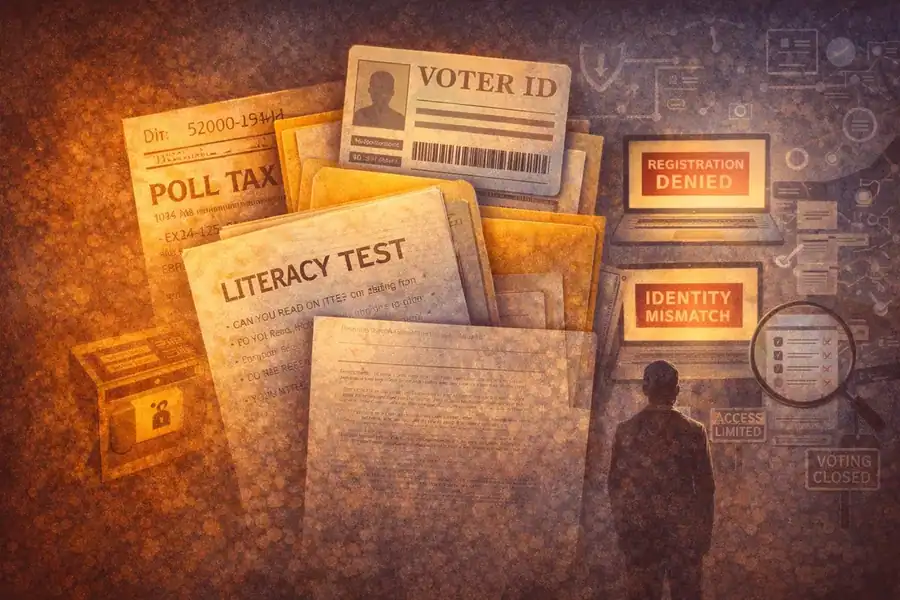
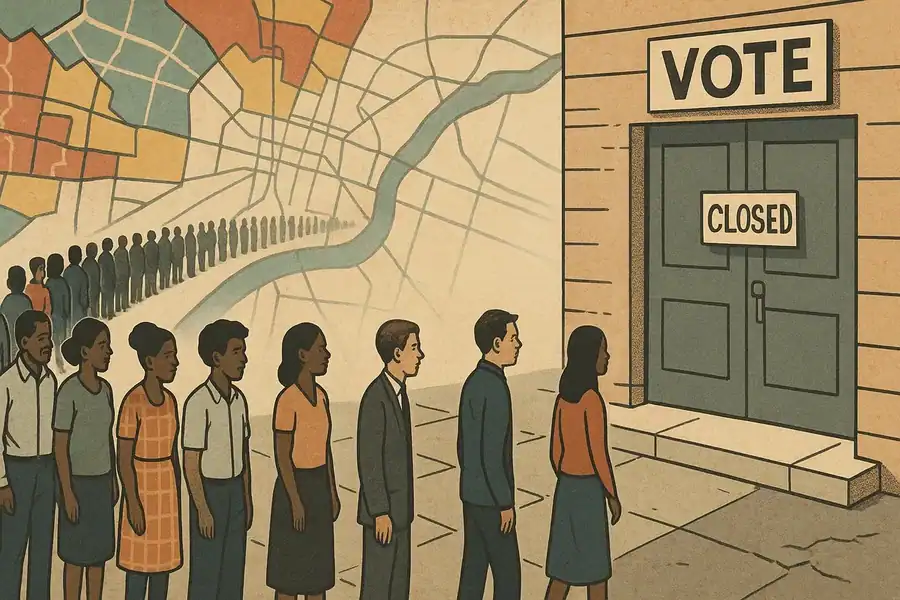
Poll taxes and literacy tests are gone. The Voting Rights Act outlawed the worst barriers. But in the 21st century, voter suppression didn’t disappear — it just changed form. Instead of explicit bans, today’s tactics raise barriers that look neutral on the surface but still make it harder for certain groups to vote.

Illustrative artwork for Felony Disenfranchisement: Punishment Beyond Prison
African American History & Civil Rights

Felony Disenfranchisement: Punishment Beyond Prison

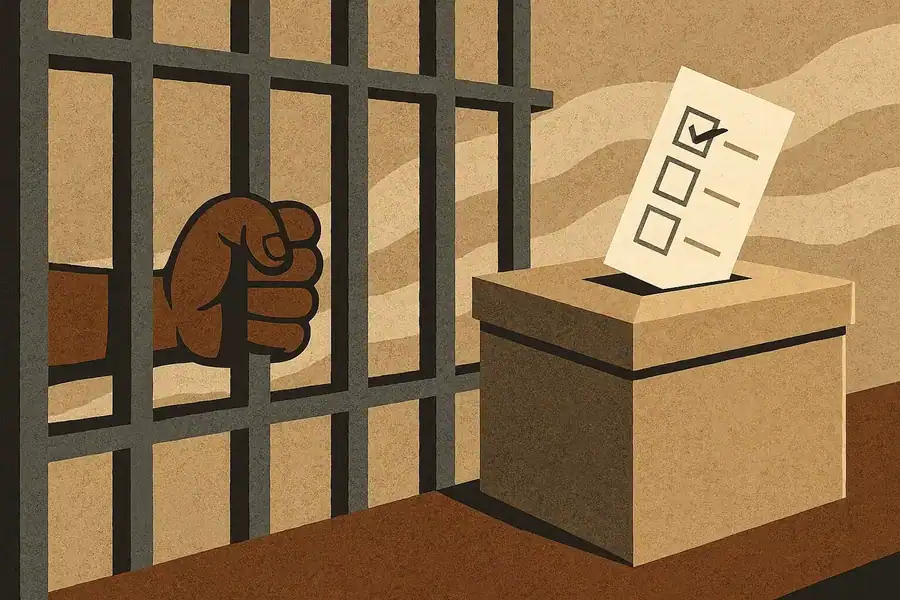
When someone finishes a prison sentence, the expectation is that they’ve “paid their debt to society.” But for millions of Americans, that debt never ends. Long after their release, they remain barred from one of the most fundamental rights in a democracy: the right to vote. This practice is called felony disenfranchisement, and it affects far more people — and communities — than many realize.

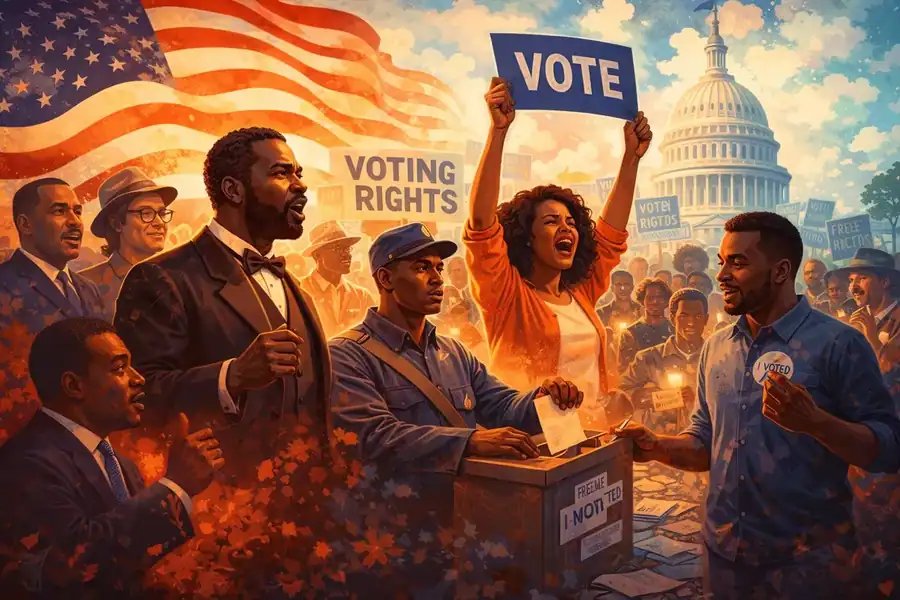
Illustrative artwork for The Voting Rights Act: A Hard-Won Victory
African American History & Civil Rights

The Voting Rights Act: A Hard-Won Victory

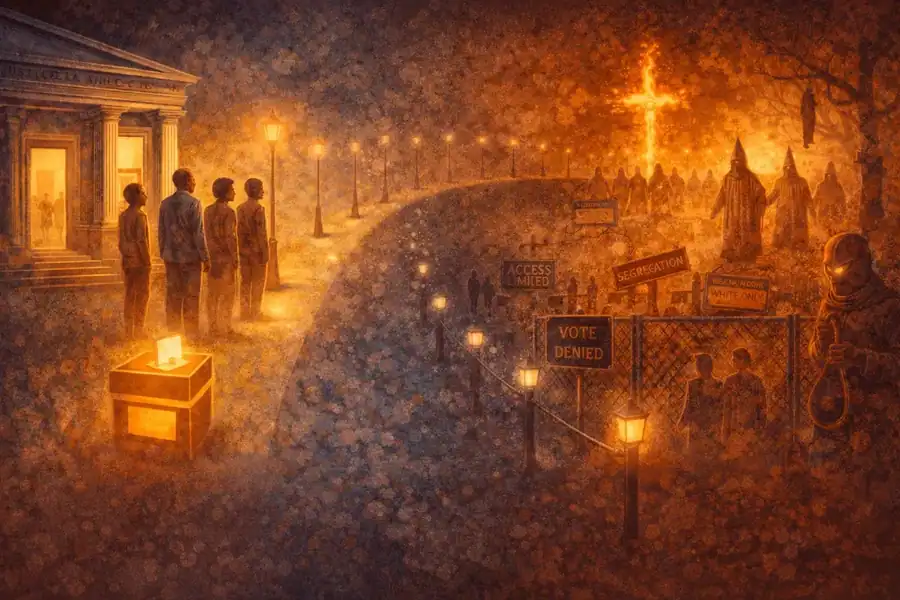
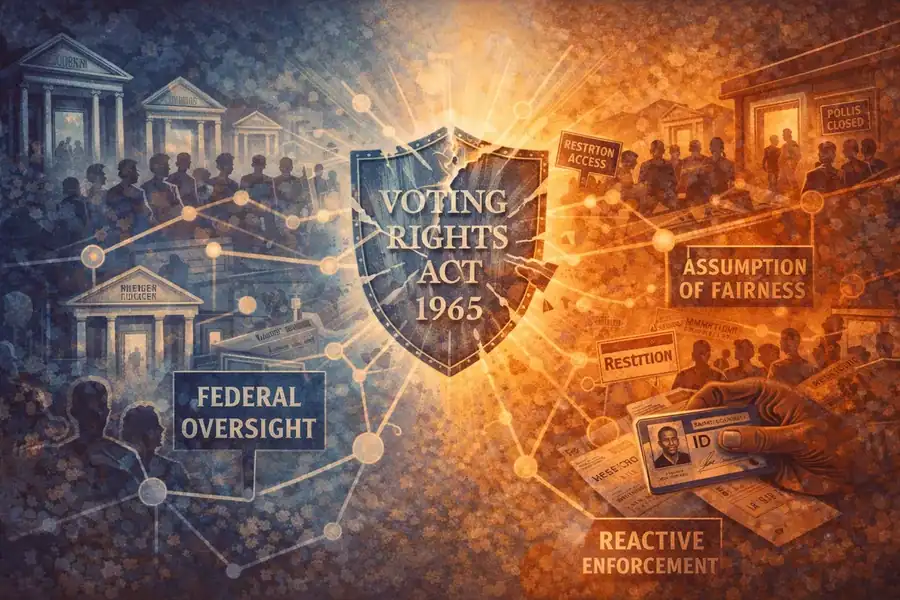
By 1965, the fight for the vote had already stretched across generations. Poll taxes, literacy tests, intimidation, and gerrymandering had silenced millions of voices — especially Black voters in the South. But the marches in Selma, the sacrifices in Mississippi, and the voices rising across the nation finally pushed America to act. The result was the Voting Rights Act of 1965 — one of the most significant civil rights laws in U.S. history.

Illustrative artwork for Gerrymandering: Drawing Lines, Picking Winners
African American History & Civil Rights

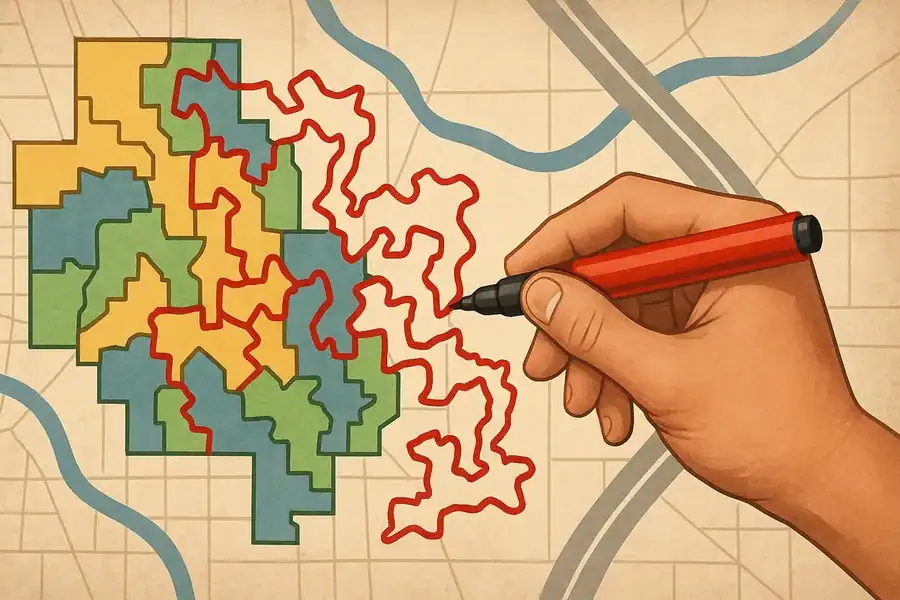
Gerrymandering: Drawing Lines, Picking Winners

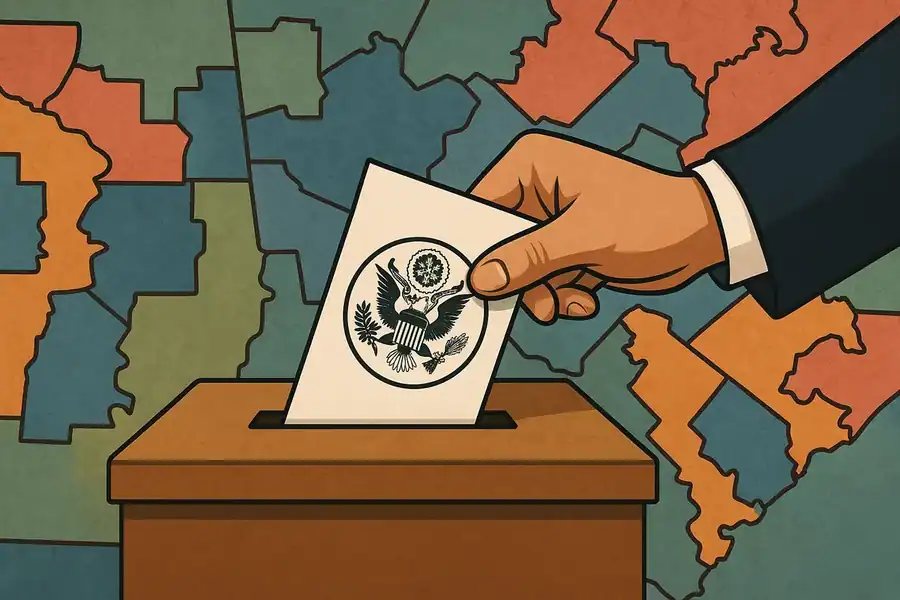
Voters are supposed to choose their leaders. But in many cases, it works the other way around: leaders choose their voters. That’s the power of gerrymandering — the manipulation of political district boundaries to give one party or group an advantage. It’s not new, but its impact today is as strong as ever.

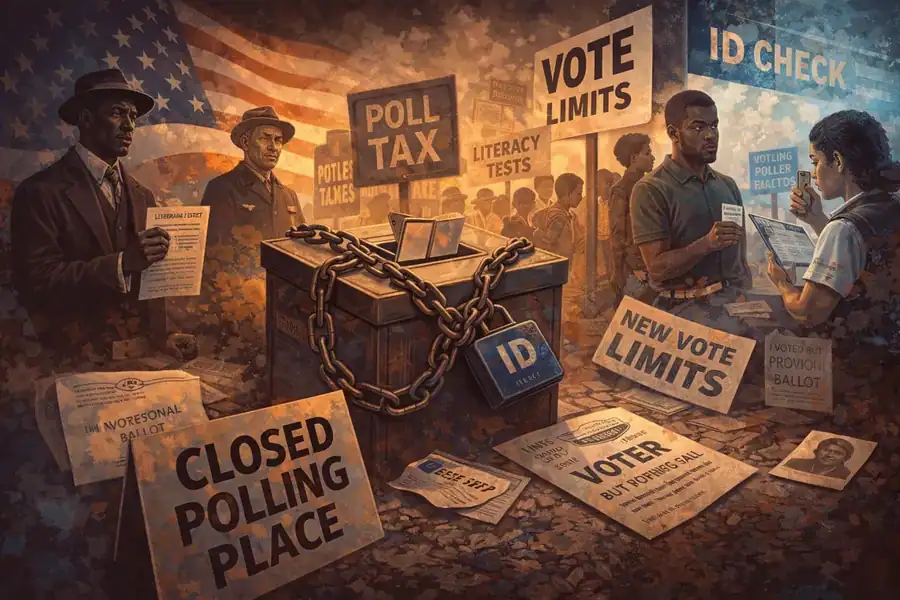
Illustrative artwork for Barriers by Design: The First Era of Voter Suppression
African American History & Civil Rights

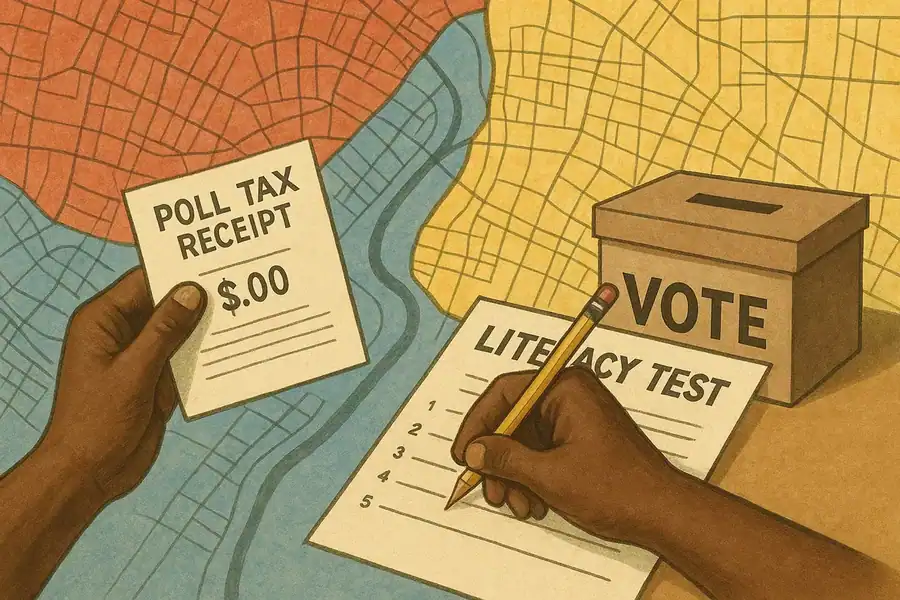
Barriers by Design: The First Era of Voter Suppression

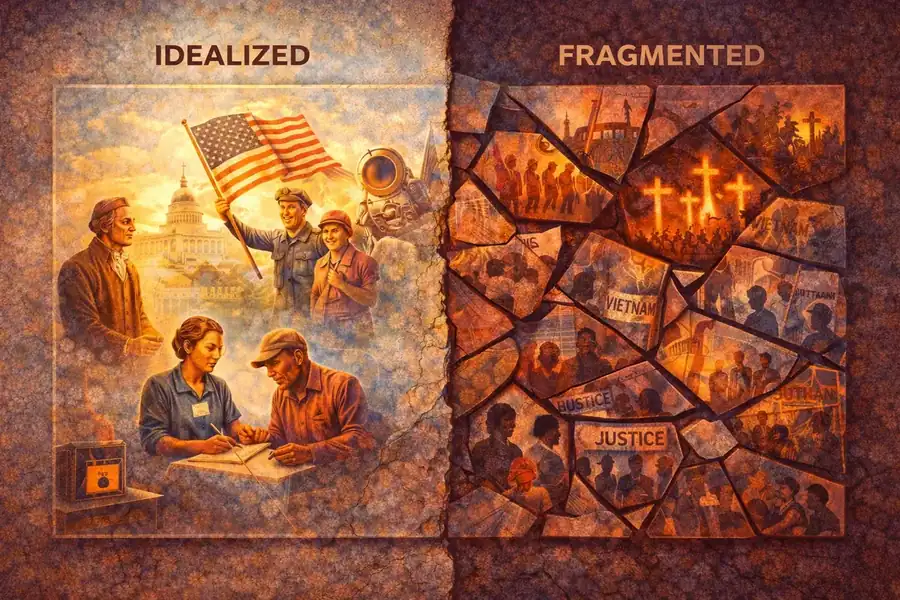
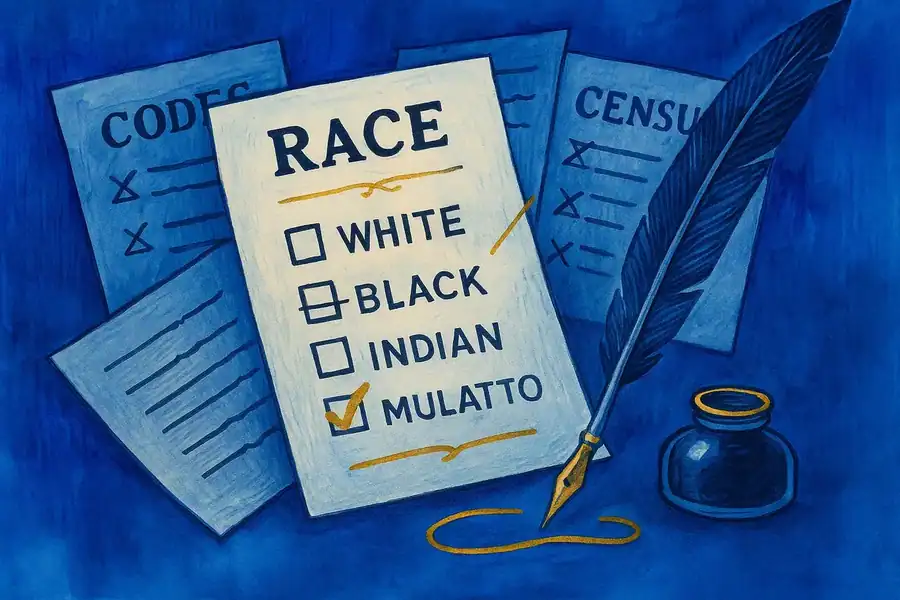
After the Civil War, the 15th Amendment declared that no one could be denied the right to vote because of race. On paper, freedom at the ballot box was guaranteed. But by the late 1800s, states across the South found ways around that promise. They didn’t outlaw Black voting outright — instead, they created barriers like poll taxes and literacy tests that made voting practically impossible for millions of Black citizens and poor whites.

Illustrative artwork for Steering and Subtle Lines: Housing Discrimination After Redlining
African American History & Civil Rights

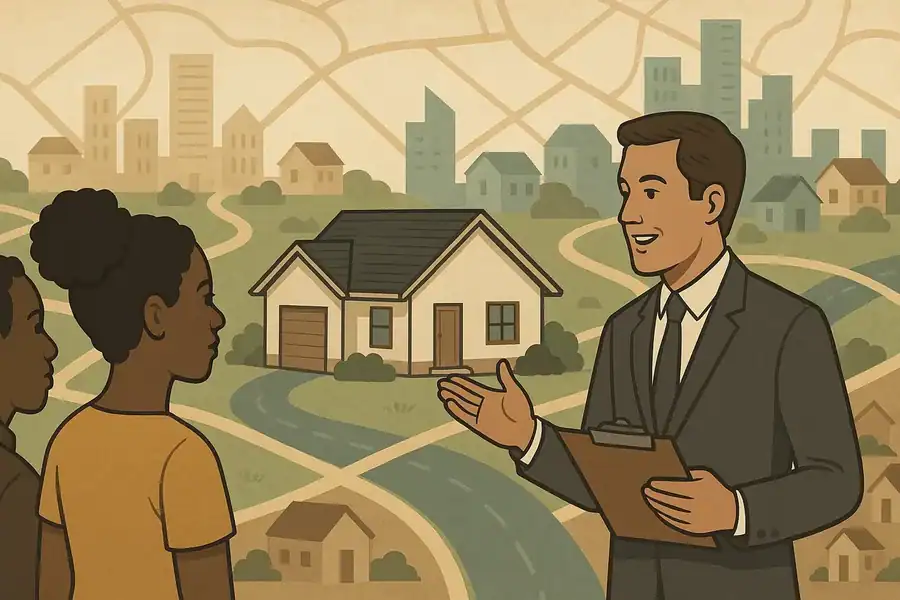
Steering and Subtle Lines: Housing Discrimination After Redlining

“In the 1980s, a family in Iowa made an offer on a home. Years later, they learned their realtor had secretly raised their bid — not to help them, but to make sure a Black family wouldn’t get the property. They still live in that house, carrying the weight of what happened.” The Fair Housing Act had been law for over a decade. Redlining was officially banned. But the story shows us something important: discrimination didn’t end when the maps disappeared. It adapted.

Illustrative artwork for Restrictive Covenants: Rules Written Into the Deed
African American History & Civil Rights

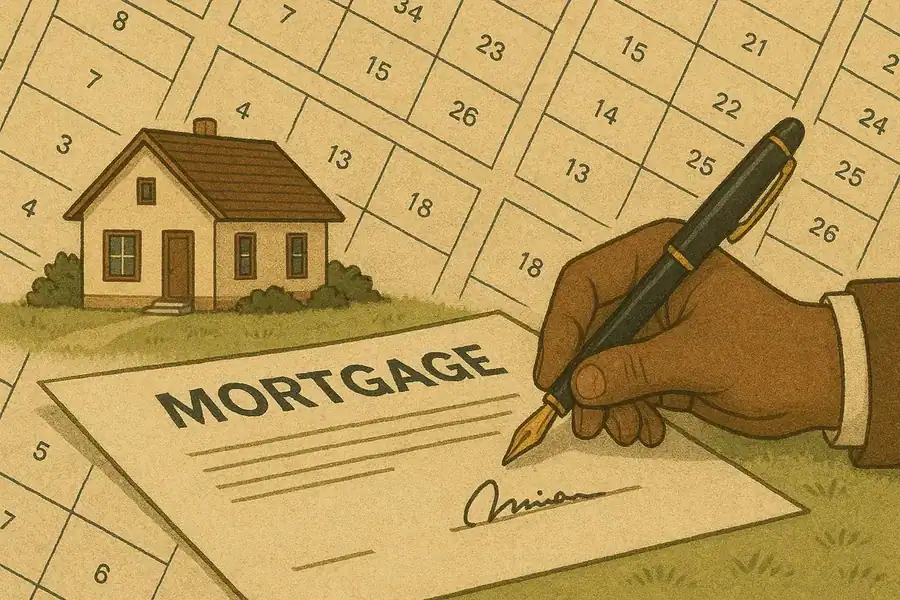
Restrictive Covenants: Rules Written Into the Deed

What if your ability to buy a house wasn’t decided by your savings, your credit, or your hard work — but by a single line written into the deed? For much of the 20th century, that’s exactly what happened. They were called restrictive covenants, and they turned property law into a tool of segregation.