Every Chapter Counts
Topic · 33 stories

Wealth & Economy

How schools transmit opportunity, identity, and inequality across generations.

All topics
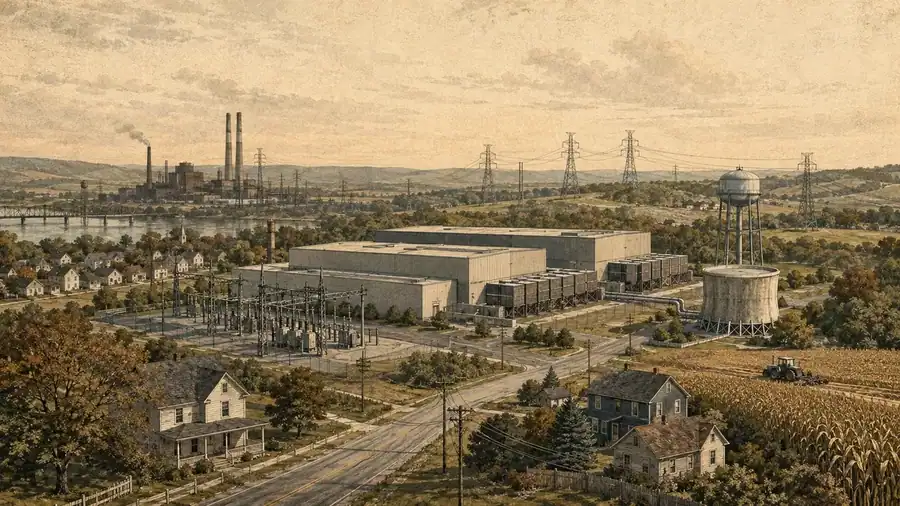
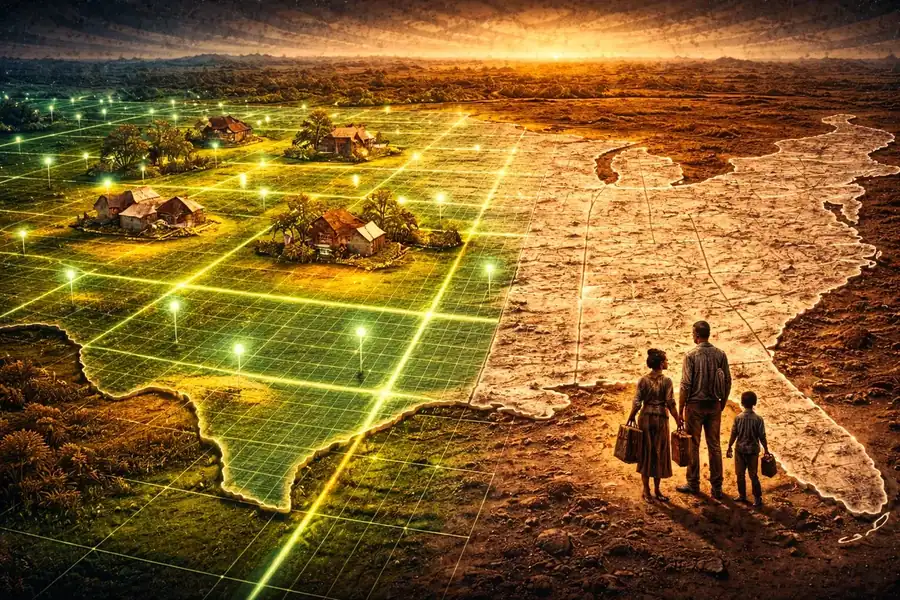
Archival-style illustration of a modern data center campus near homes, fields, transmission lines, a substation, and water infrastructure, showing the physical footprint behind digital technology.
Environmental Justice & Land

AI Is Digital. Its Costs Are Not.

AI may feel weightless, but it belongs to a long history of American technologies whose physical costs were hidden behind promises of progress. From electrification to highways to data centers, this article explains how digital tools depend on land, water, electricity, public subsidy, and community decisions.

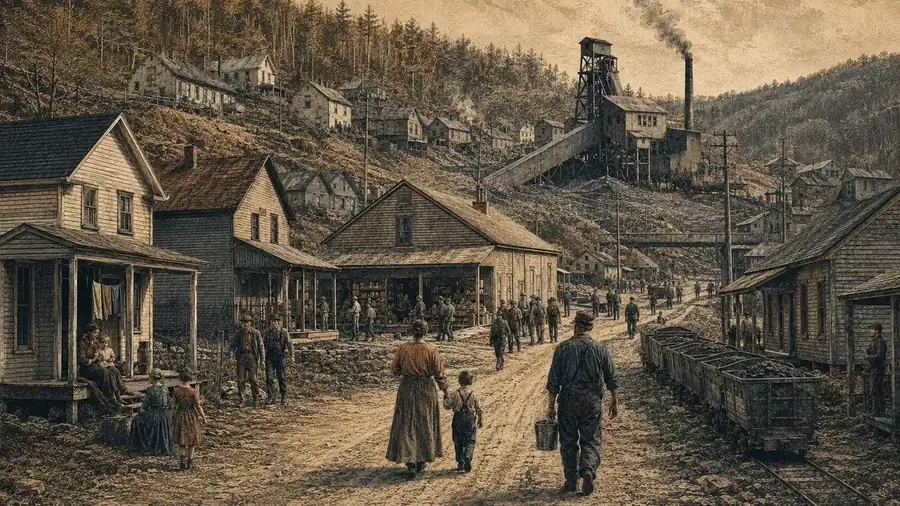
Illustrative artwork for White Flight: Leaving the City Behind
African American History & Civil Rights

White Flight: Leaving the City Behind

In the mid-20th century, cities across America saw a dramatic shift. White families packed up, left their urban neighborhoods, and moved to newly built suburbs. This movement — called white flight — wasn’t just a personal choice. It was fueled by fear, profit, and public policy, and it reshaped the American landscape in ways we still feel today.

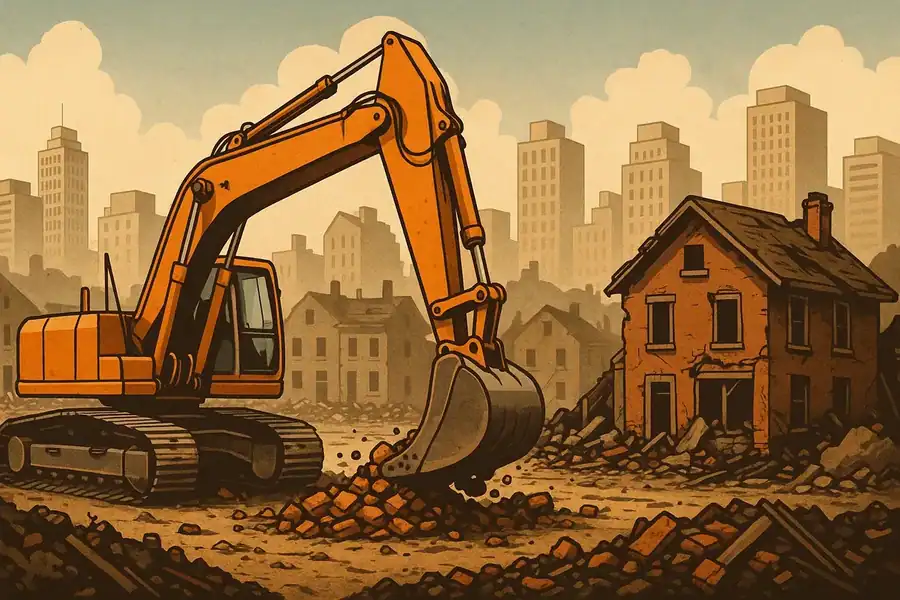
Illustrative artwork for Urban Renewal: When “Renewal” Meant Removal
African American History & Civil Rights

Urban Renewal: When “Renewal” Meant Removal

In the mid-20th century, American cities promised “progress.” Leaders called it urban renewal — a way to modernize neighborhoods, clear “blight,” and build new infrastructure. But for many communities, especially Black neighborhoods, renewal meant something else: removal. Homes were bulldozed, businesses destroyed, and entire cultural districts erased in the name of development.

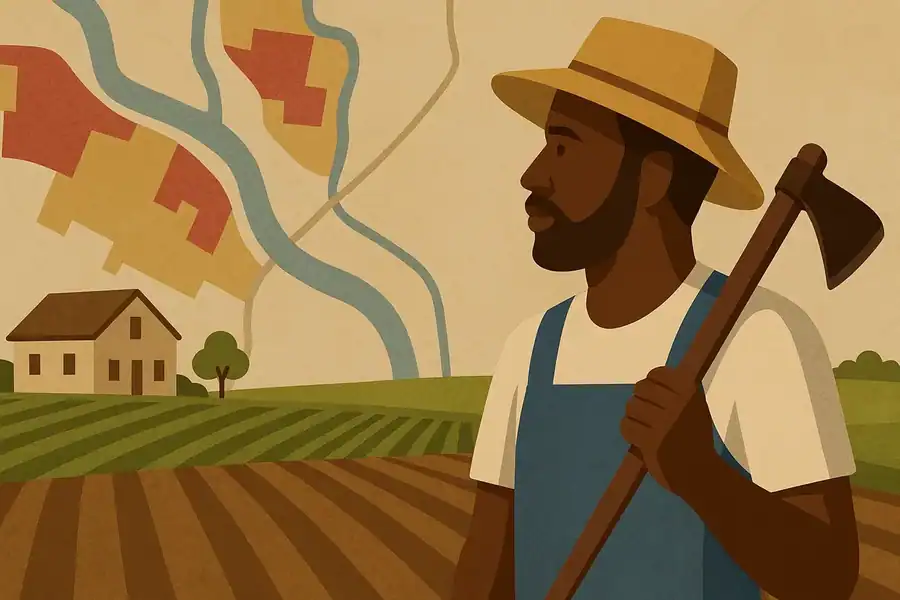
Illustrative artwork for Land, Opportunity, and the Struggle for Black Farmers
African American History & Civil Rights

Land, Opportunity, and the Struggle for Black Farmers

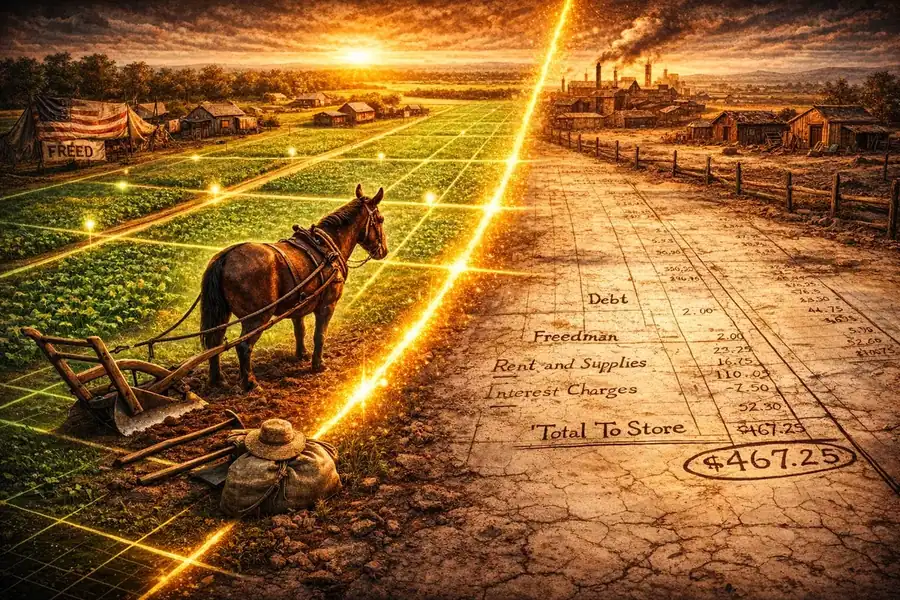
For generations, owning land meant freedom. For formerly enslaved people, farmland represented independence, stability, and the chance to pass something on to their children. But just as African Americans fought for fair housing in cities, they also faced barriers, exploitation, and discrimination in farming. This is the story of land as opportunity — and how much was lost when that opportunity was denied.

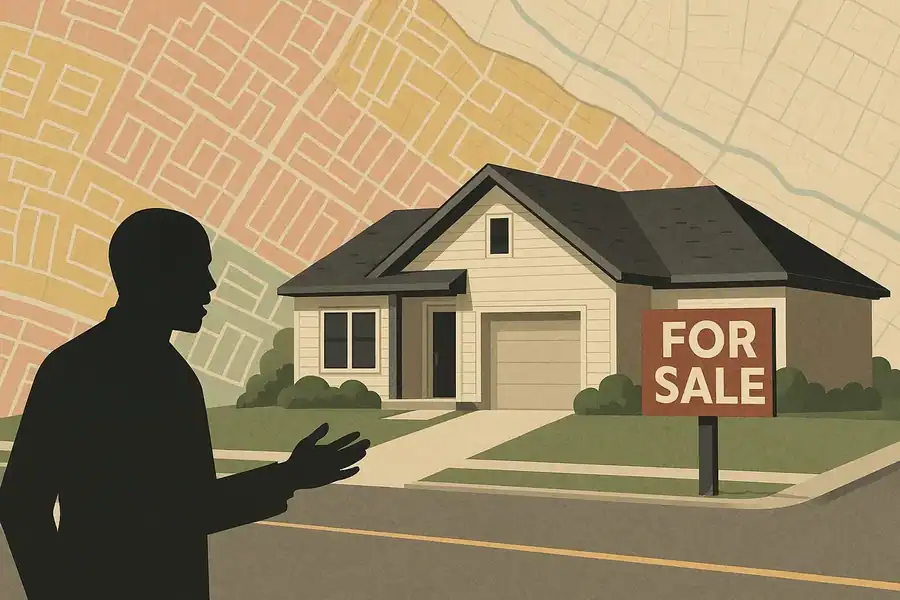
Illustrative artwork for Profiting from Panic: The Story of Blockbusting
African American History & Civil Rights

Profiting from Panic: The Story of Blockbusting

Imagine a knock at your door. A real estate agent warns you: “Black families are moving in. If you don’t sell now, your property value will plummet.” This wasn’t just rumor. It was a calculated business practice called blockbusting — and it turned fear into profit while reshaping America’s cities.

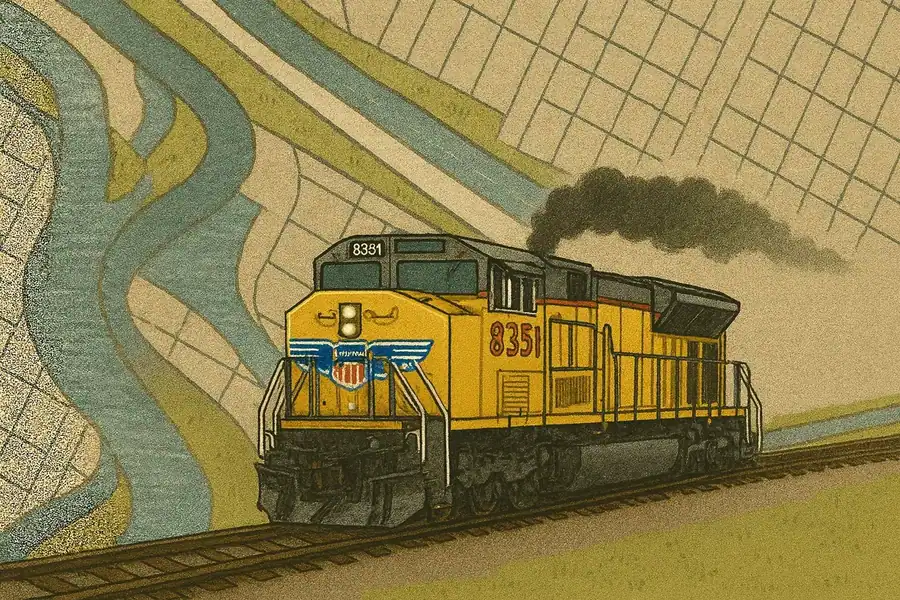
Illustrative artwork for Highways, Railroads, and Rivers and the Segregation of American Cities
African American History & Civil Rights

Highways, Railroads, and Rivers and the Segregation of American Cities

Look closely at almost any American city, and you’ll notice something: a set of railroad tracks, a highway, or a river dividing one neighborhood from another. On one side, tree-lined streets and investment. On the other, underfunded schools, fewer businesses, and neglected infrastructure. Those dividing lines weren’t accidents. They were choices — choices that reinforced segregation and shaped opportunity.

Illustrative artwork for Redlining: How Maps Drew Boundaries That Still Shape Our Communities
African American History & Civil Rights

Redlining: How Maps Drew Boundaries That Still Shape Our Communities

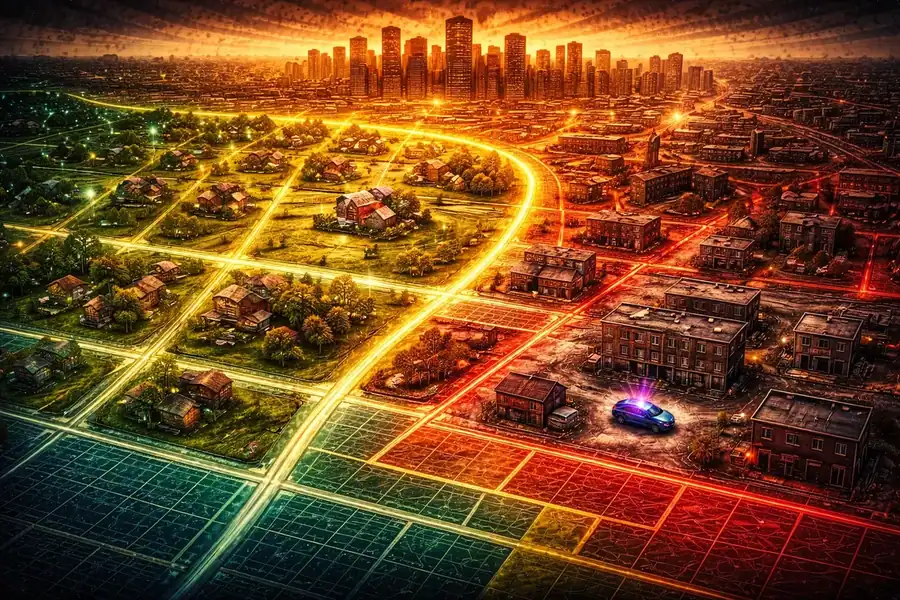
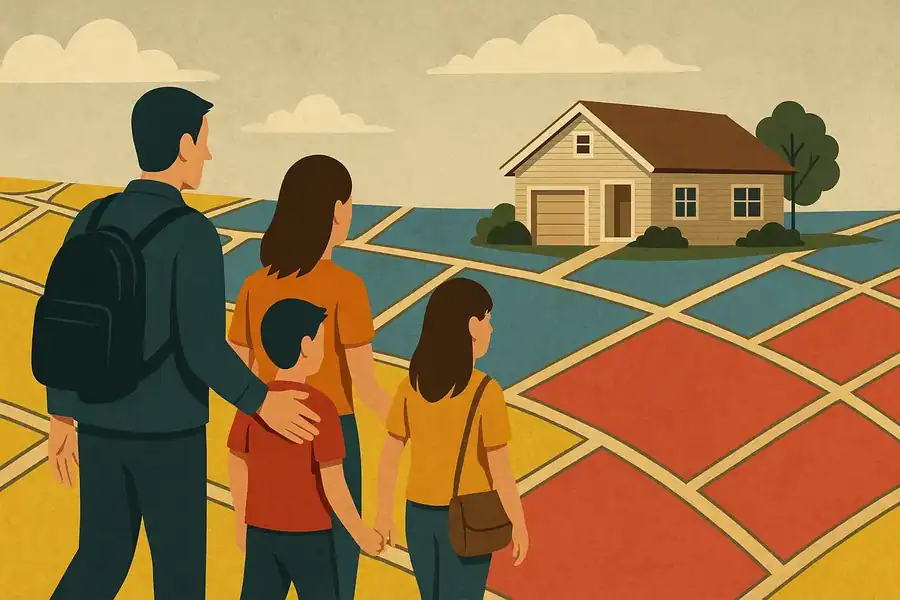
Imagine if the neighborhood you lived in determined whether you could buy a home, get a loan, or even build wealth for your children — not because of what you did, but because of the color of your skin. This isn’t just a “what if” story. It’s the reality millions of Americans lived through, and its ripple effects are still with us today.