When harm occurs at the hands of the state, the immediate focus is often on the incident itself—what happened, who was involved, and whether the action was justified.
But another process begins almost simultaneously, often outside formal institutions.
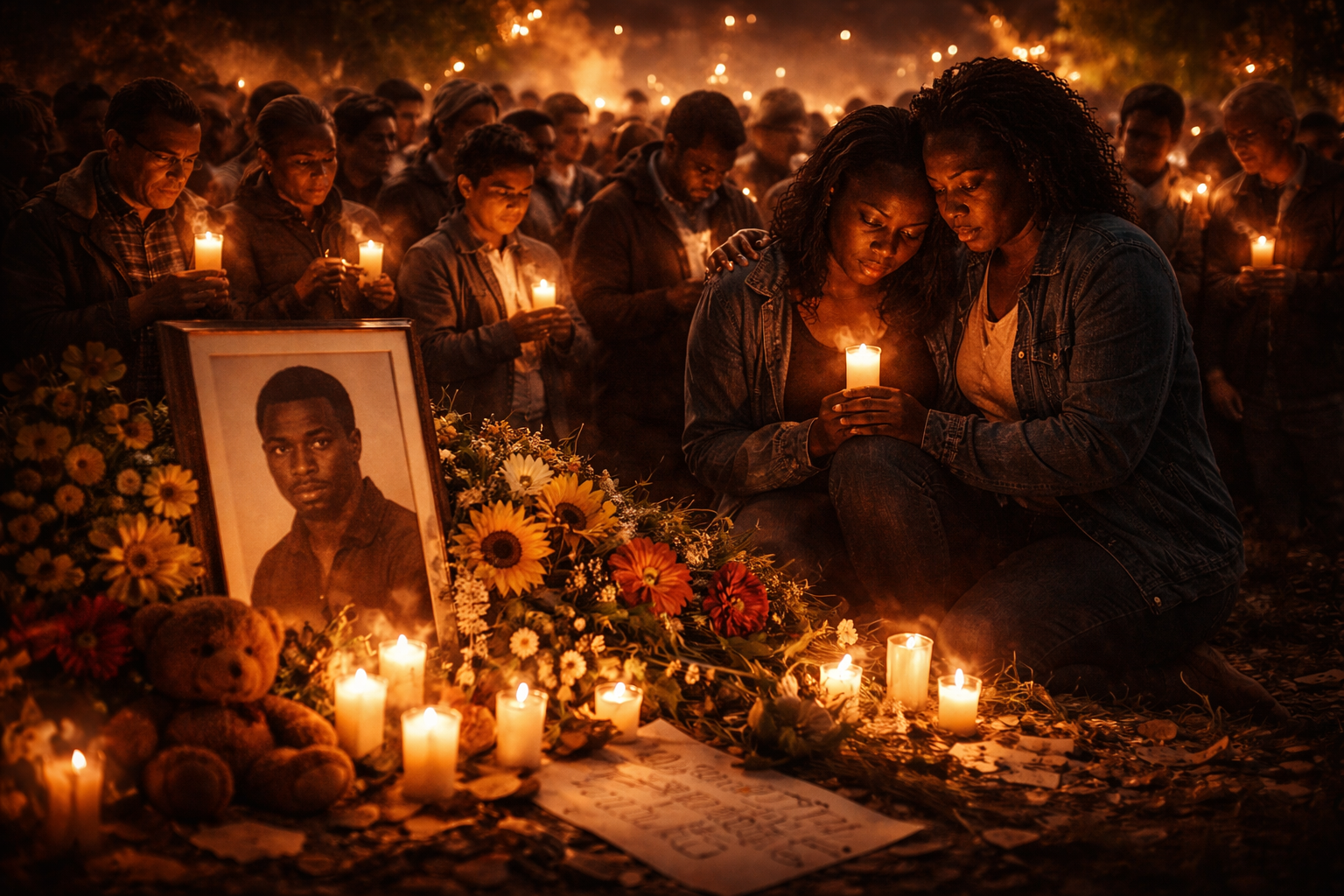
Communities organize. They gather. They remember. They support families. They create meaning in the absence of resolution. These responses are not spontaneous bursts of emotion; they are patterned, learned, and deeply historical.
Understanding how communities rally around victims of state violence helps explain how people survive systems that do not always offer repair.
Long before formal civil-rights protections existed, communities developed their own responses to state harm.
When legal systems failed to protect Black Americans from violence—whether through policing, courts, or vigilante enforcement—mutual aid networks emerged. Churches organized collections. Neighbors provided housing, food, and childcare. Community leaders helped families navigate hostile institutions.
These practices were not symbolic. They were necessary.
Because state violence was rarely acknowledged as wrongdoing, communities learned to respond collectively, filling gaps left by law and policy.
Over time, community response took on additional roles.
Vigils, marches, and public gatherings became ways to:
As media coverage expanded, these responses became more visible—but not always more effective at securing justice.
Communities learned to balance mourning with mobilization. Support for families existed alongside demands for investigation, policy change, or reform. The rallying itself became part of how harm was processed and made legible to the public.
Communal responses to state violence are most visible in communities that experience repeated exposure to enforcement and surveillance.
Black communities have developed especially robust traditions of collective response, shaped by generations of exclusion from legal remedy.
Immigrant communities often rely on mutual aid and advocacy networks, particularly when victims’ families face language barriers or fear of retaliation.
Low-income communities mobilize resources informally when institutional support is slow or inaccessible.
Other groups—such as disability advocates or Indigenous communities—have also created collective practices of care and remembrance shaped by their own histories with state power.
The common thread is not identity alone, but necessity.
Today, communities continue to rally because institutional responses remain limited.
Investigations take time. Legal standards are high. Accountability is uncertain. In that gap, community action provides immediacy and meaning.
These responses serve multiple functions:
They are not replacements for justice. They are responses to its absence.
Community rallying is often misunderstood as reactionary or symbolic. In reality, it is a form of civic labor.
It reflects an understanding—earned through experience—that harm may not be repaired through official channels alone. Communities respond not because they distrust institutions by default, but because history has taught them caution.
Recognizing this pattern helps explain why collective mourning, protest, and care persist even when outcomes remain uncertain.
Community Response & Mutual Aid
State Violence & Memory
Communities rally around victims of state violence not because they expect quick answers, but because they understand the cost of silence.
Every Chapter Counts examines these responses not as moments of reaction, but as enduring civic practices—ways people hold one another when institutions fall short.
In those acts of care, communities assert something fundamental: that harm must be seen, remembered, and answered, even when justice is delayed.