A flexible model for groups to explore selected themes from The 1619 Project documentary series and connect them to the continuing struggle over who gets to participate in American democracy.
Use all of the modules, select only the ones that fit your setting, change their order, and/or add your own activities. The program is intentionally modular so organizations can build the experience that works for their participants.
Choose how you want to use this chapter
Facilitate online, print a guide, or prepare role-play materials.
The page works as the complete on-screen curriculum. Use the downloads when you want a facilitator copy, something to hand participants, or printable role profiles for Module C. You can also open individual role profiles on a phone and print them using your device’s print options.
At the start of the program — or in advance — use the interactive voting-rights timeline and these three Every Chapter Counts articles to prepare for informed discussion.
Featured interactive
Voting rights do not move in a straight line.
Explore major turning points from 1789 through 2026 and see how access to the ballot has expanded, contracted, and remained contested over time.
Show Episode 1, “Democracy,” using the selected time stamps below. The episode is available through Hulu.
Summary of theme
American citizens participate in democracy through their votes. This theme explores efforts to restrict the voting power of Black Americans from the late 19th century to the modern day. It also explores the ways Black Americans have continuously challenged these efforts and contended for the right to vote.
Selected viewing segments
Follow these two themed groups of excerpts to build an approximately 35-minute viewing sequence. The group headings introduce each set; the related segments and time stamps appear underneath.
Introduction and Project Thesis (00:00–02:15)
Voting and Disenfranchisement (08:08–14:25)
Interlude: Perfectors of Democracy (14:25–15:20)
The Civil Rights Era and the SNCC (31:12–40:11)
The Modern Restrictive Voting Laws (40:35–49:14)
Interlude: Black Freedom Struggle as Foundational (49:14–50:27)
Threats to Democracy in Modern Politics (50:27–56:24)
Reading alternative: In addition to, or instead of, watching the documentary excerpts, your group may read Chapter 1, “Democracy,” by Nikole Hannah-Jones in The 1619 Project: A New Origin Story.
The selected time stamps were created by Pulitzer Center Education staff to support use of The 1619 Project as an instructional tool.
Discussion questions
Talk about what the film or reading makes visible
What connection between past and present voting restrictions stood out most?
Who has the power to shape access to the ballot, and where does that power show up?
What part of the viewing or reading challenged, complicated, or expanded your understanding of democracy?
Continue your sessionNext: Module C · discussion, activities & role playHands-on learning · about 45 minutes
Group Discussions, Activities & Role Playing Mixer
The struggle for the ballot is emblematic of the struggle to make real the democratic promises of the country’s founding narrative. Voting rights have expanded over time, but they have also been restricted and taken away. The fight for the ballot has repeatedly required people to organize to regain or defend earlier gains.
Recent elections have brought renewed attention to barriers such as voter ID laws, voter-roll purges, and polling-place closures. Studying voting-rights history gives participants context for recognizing how laws, administration, power, and access can shape participation.
1
Who should vote?
Participants first share their understanding of what makes a “qualified” voter, then reconsider their thinking after listening to Fannie Lou Hamer describe her experience trying to register to vote.
After watching, discuss:
Were you familiar with Fannie Lou Hamer before this group study? If so, did it deepen your understanding of her role in the struggle for voting rights? If not, why might her story have been unfamiliar?
How might race and gender have shaped whose contributions are emphasized or overlooked in widely taught histories?
2
How can voting rights be restricted?
Participants predict how policymakers might restrict voting for particular groups in response to movements and laws that expand the franchise.
3
Who Gets to Vote? Role Playing Mixer
Participants take on roles based on people with firsthand experience having voting rights granted, denied, or made difficult to exercise. The roles stretch from the colonial era to the present and can close with a visual timeline showing the expansion and contraction of voting rights.
Part 3 materials
30 role profiles are ready to use
Each profile includes a short role-play summary and expanded context. The profile cards carry a larger QR code so participants can open their role on a phone during the activity. You may also use a phone to access and print individual profiles.
Activity content is adapted from the free Zinn Education Project teaching activity, “Teaching About the Struggle for Voting Rights in the United States,” by Ursula Wolfe-Rocca.
Discussion questions
Compare the experiences in the activities
How did the role profiles show voting rights expanding and contracting over time?
Which restrictions appear neutral on paper but can affect groups differently in practice?
After hearing several perspectives, how would you now answer the question: “Who should vote?”
What reactions did you have to the biographies and portrayals of the people in the role-playing activity?
Continue your sessionNext: Module D · community context speakerLocal perspective · about 15 minutes
Use the Every Chapter Counts Ras Smith video to add a lived and civic perspective from Iowa. Then invite participants to compare what they hear with patterns, experiences, and questions in their own region or community.
Speaker profile
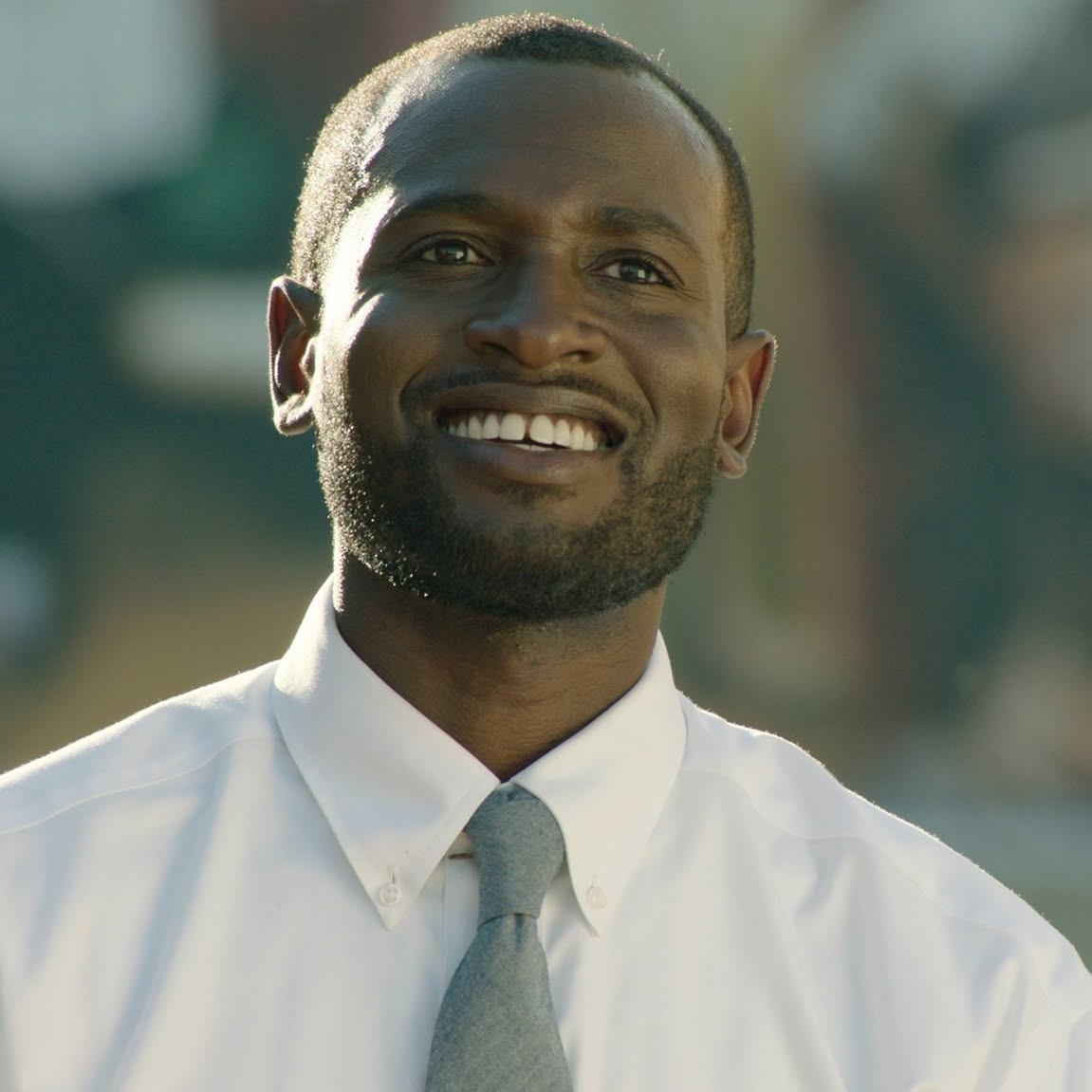
Ras Smith
Ras Smith is a Waterloo, Iowa, native who served in the Iowa House of Representatives for District 62 from 2017 through 2023. His professional and community work has included youth services, education, community engagement, and advocacy, giving him experience at the intersection of public policy and everyday community life.
“The history of voting in the United States has not been characterized by a smooth and inexorable progress toward universal political participation. It has instead been much messier, littered with periods of both expansion and retraction of the franchise with respect to many groups of potential voters.”Grant M. Hayden, SMU Dedman School of Law
People need to know this “messier” history — a history that shows voting rights are not simply won once and permanently settled, but have repeatedly been expanded, restricted, defended, and contested.
Participant feedback & next steps
Help Every Chapter Counts improve the program.
Use the short program-specific feedback form to tell the collective what was useful, what could improve, and what you would like to explore next.